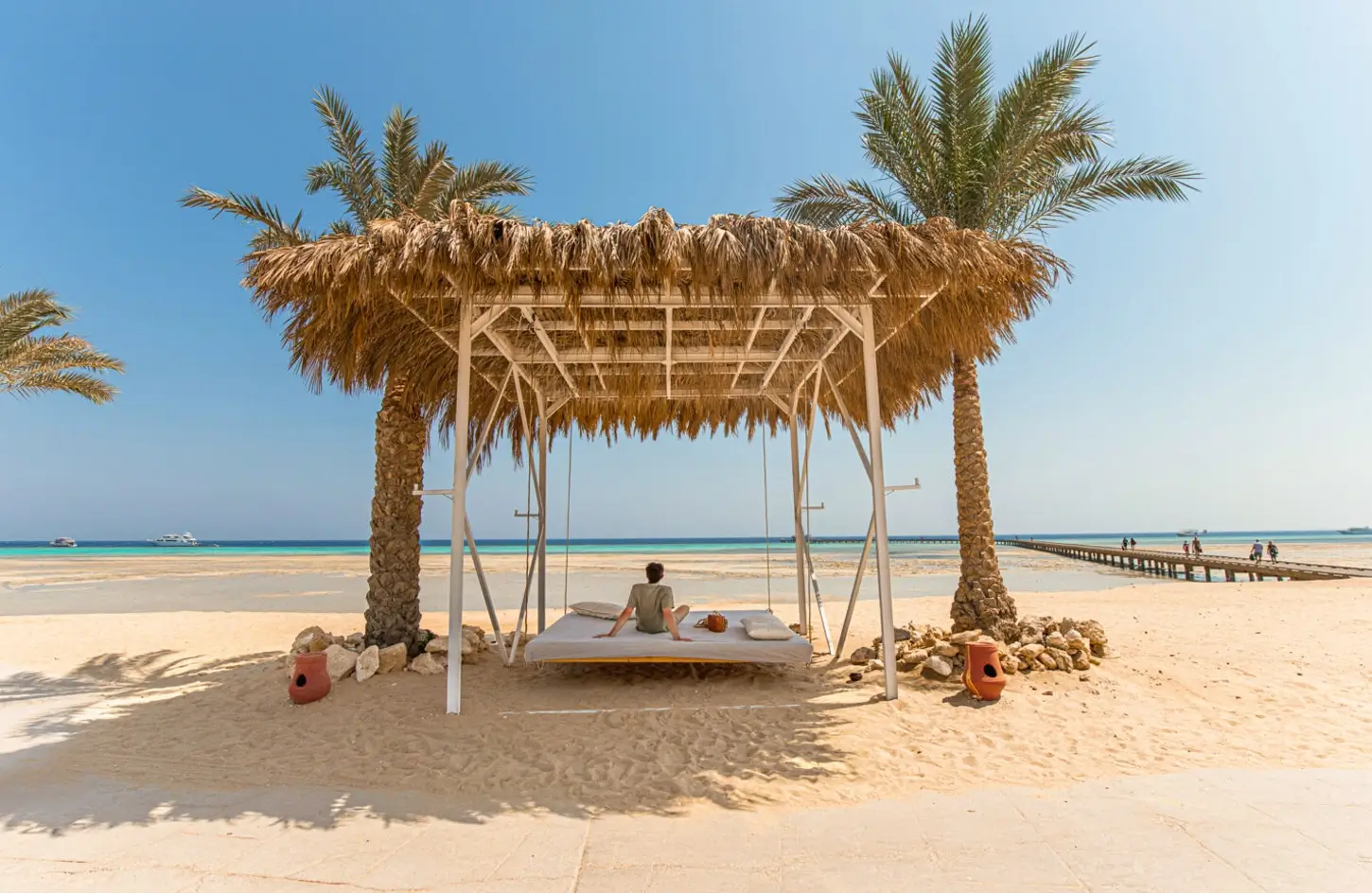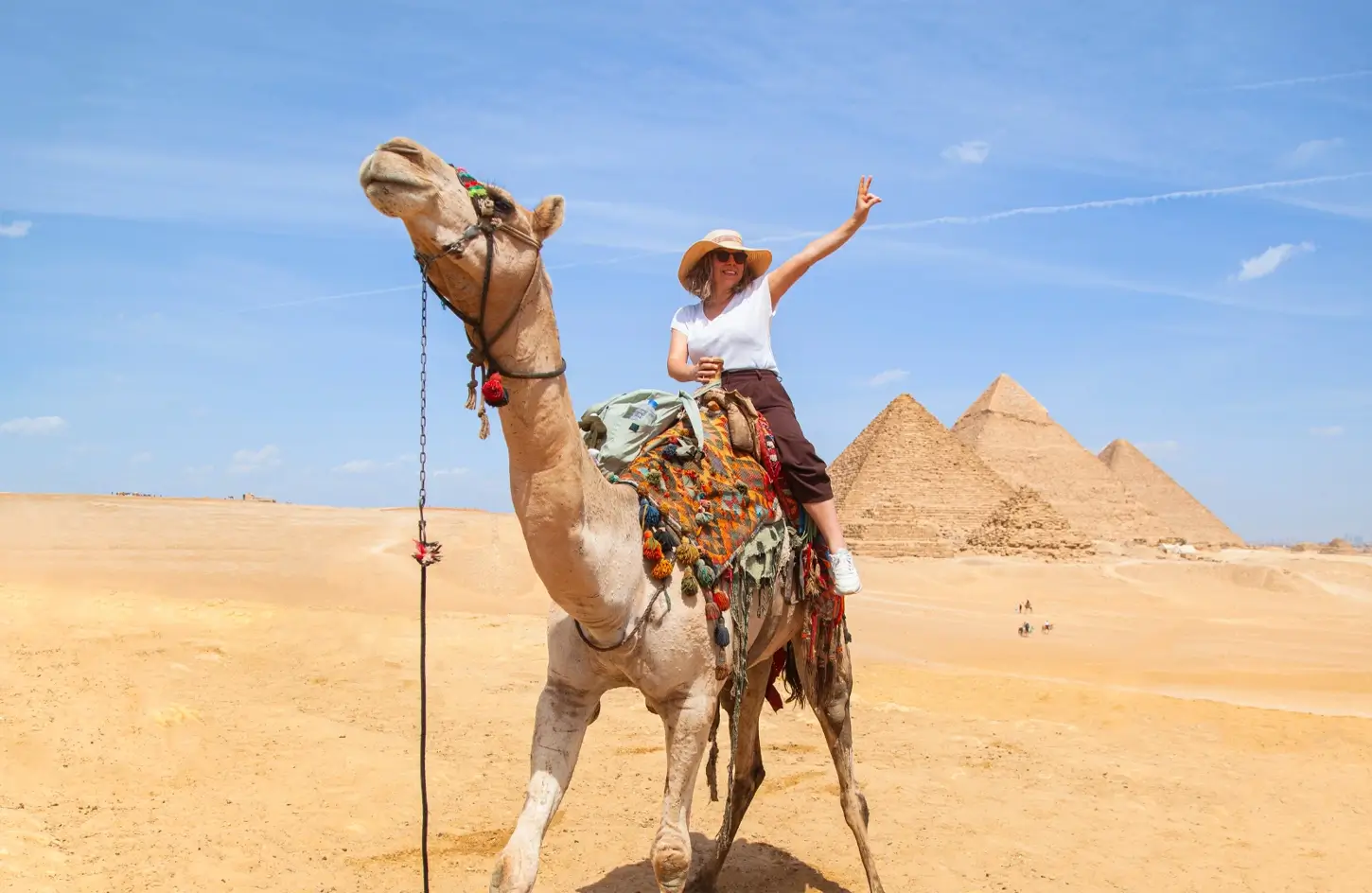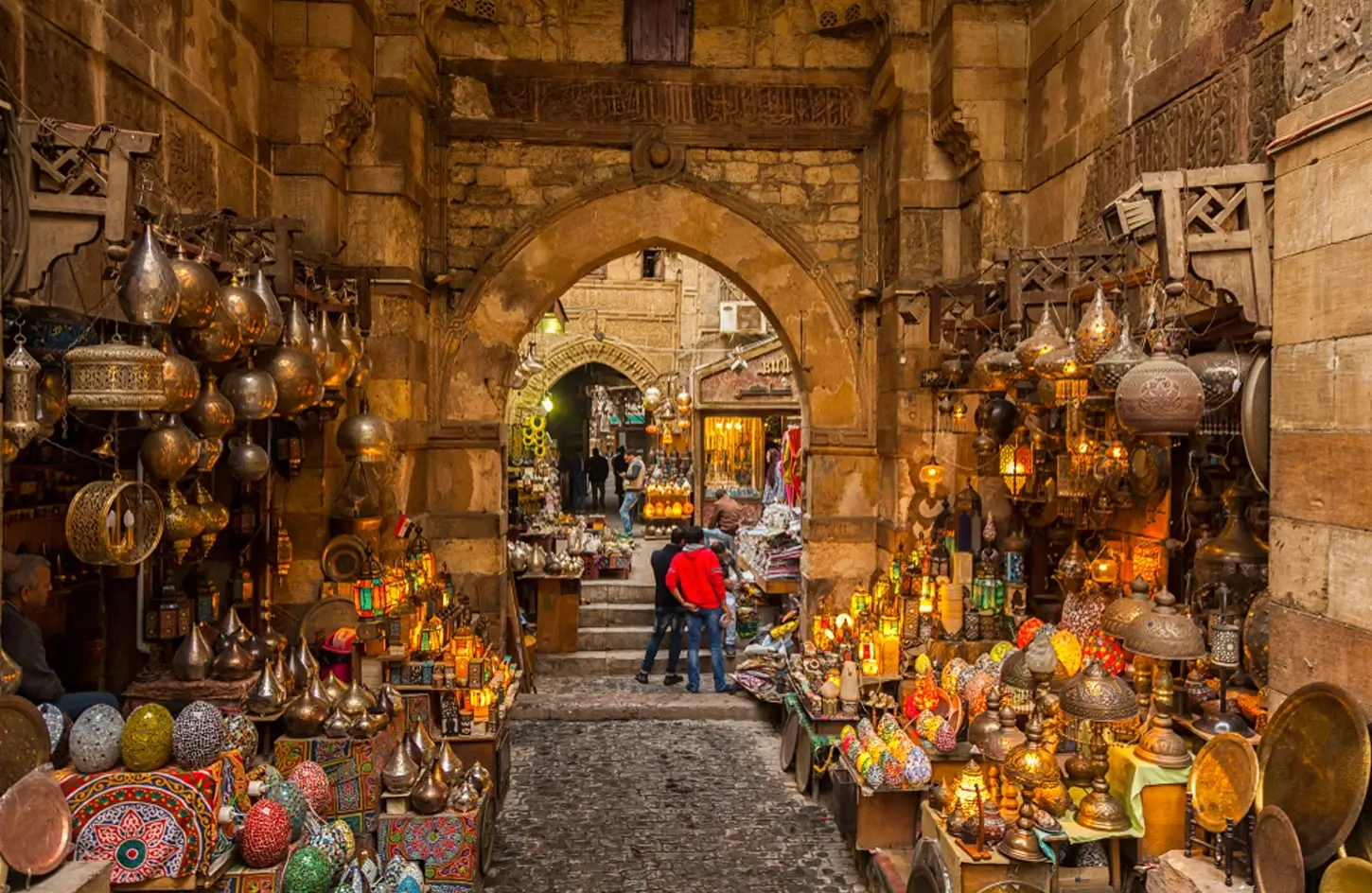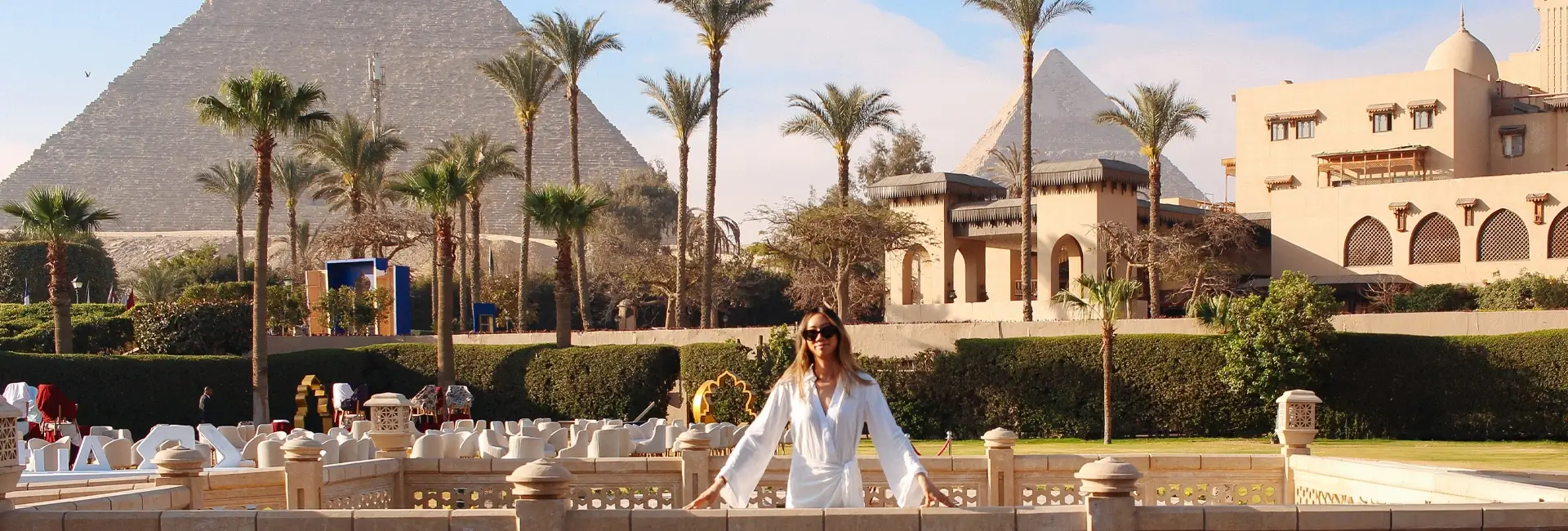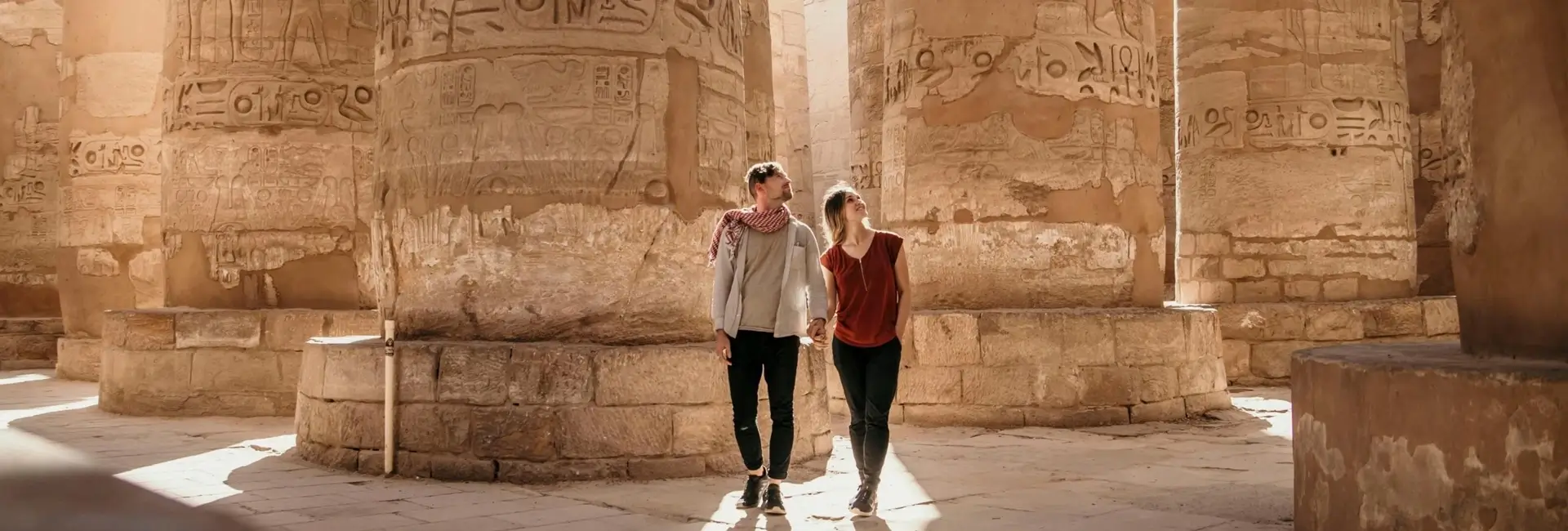
Close your eyes for a moment and imagine standing at the foot of Karnak Temple just as the sun clears the horizon. The stone is still cool beneath your fingertips. The air smells of dust and ancient stillness — that particular scent that belongs only to Egypt, only to the old places. And for one long minute, before the coaches arrive and the crowds spill through the gates, the temple belongs entirely to you.
Now open them. Because that moment? It is real. But it only happens if you come at the right time.
My name is Magdy Fattouh, and I have been guiding visitors through Egypt for more than twenty years. In that time, the question I hear more than any other is: "When should I go?" My honest answer is — it depends. It depends on whether you want golden afternoon light over Luxor or empty temple corridors at sunrise. It depends on whether you're chasing the coral reefs of the Red Sea or the valley tombs of the pharaohs. It depends on your budget, your pace, and who you are as a traveller.
In this guide, I will walk you through every month of the year — not just the temperatures, but the feeling of each one. The crowds, the prices, the local life, the light. By the end, you will know exactly when your Egypt is waiting.
✅ Key Takeaways ✓ October to April is Egypt's most comfortable sightseeing window — but also the most crowded and expensive. ✓ November and February are the two best-balanced months for most traveller types. ✓ Summer (June–August) is not off-limits — empty temples, low prices, and the Red Sea at its best. ✓ Ramadan can be one of Egypt's most culturally rich times to visit — if you embrace rather than avoid it. ✓ Nile cruise season runs October–April; October and November are this guide's personal favourites. ✓ Book 3–6 months ahead for December–January; 4–8 weeks is usually fine for May–September. |
The Short Answer — and Why It Is Not the Whole Story
Every article about the best time to visit Egypt will tell you the same thing: travel between October and April. And they are not wrong. This is Egypt's golden window — cooler temperatures, comfortable sightseeing, and the full swing of the Nile cruise season. If you are a first-time visitor with no flexibility, book within that window and you will not be disappointed.
But here is what those articles do not tell you. May through September has a magic of its own: temples so quiet you can hear the wind move through the columns, Nile cruise prices that are sometimes half what they are in December, and a Red Sea that is warm and clear and uncrowded. Summer in Egypt is not a crisis to be survived — it is simply Egypt restructured around the heat.
The right month for you depends less on the calendar and more on who you are as a traveller. The comparison below gives you the broad picture. The month-by-month portraits that follow give you the truth.
📊 Season Quick-Reference Table
Season | Months | Crowds | Price Level | Temperature | Best For |
Peak Season | Dec – Feb | Very High | ££££ | 12–22°C | First-timers, sightseeing comfort |
Shoulder | Mar–Apr / Oct–Nov | Moderate | £££ | 20–30°C | All types, best balance |
Low / Summer | May – Sep | Low | ££ | 30–42°C | Budget, diving, Red Sea, culture |
Month by Month — Egypt Through a Local's Eyes
What follows is not a list of averages. It is a portrait of each month, written the way I describe it to guests on their first night in Cairo — with the scene set before the practical details are given. Because Egypt is not a destination you plan; it is one you feel your way into.
January — Egypt at Its Coolest, and Most Crowded
The air in Cairo in January has a chill that surprises first-time visitors. You arrive expecting desert heat and instead pull on the jacket you almost left at home. In Luxor and Aswan it is warmer — pleasantly so — but in the north it can feel decidedly European in the evenings.
Average temperatures: 12–18°C in Cairo; 16–22°C in Luxor and Aswan.
January is peak season in the truest sense. The Pyramids have tour buses queued before sunrise. Nile cruise boats are booked solid. Hotels in Luxor charge their highest prices of the year. None of this means you should avoid January — the weather is genuinely excellent and the atmosphere is electric — but you must plan ahead.
The unmissable event is the Abu Simbel Sun Festival on 22nd January — one of the most extraordinary annual phenomena in all of Egypt travel. Twice a year, the rising sun penetrates the inner sanctuary of Ramesses II's temple and illuminates three of the four seated statues. Book your Abu Simbel trip months in advance if this is on your list.
• Best for: First-timers who need perfect weather and can handle crowds.
• Book: Nile cruises 4–6 months ahead; hotels at least 2–3 months ahead.
• Honest truth: Highest prices of the year. Sold-out cruises are common.
📸 Photo Suggestion Abu Simbel at dawn — January sunrise Arrive at the temple entrance before 6am. The golden light on the carved façade is unlike anything else in Egypt. Ask your guide to position you slightly left of centre for the most dramatic angle on the statues of Ramesses. |
February — The Sweet Spot Nobody Talks About
February is my personal recommendation for travellers who want excellent weather but slightly more breathing room than the Christmas–January rush. By mid-month, the post-holiday surge has faded. Temple queues are shorter. Felucca captains on the Nile have time to actually talk to you.
Average temperatures: 14–20°C in Cairo; 18–24°C in Upper Egypt.
The evenings along the Nile in February have a quality I struggle to describe — still, slightly cool, scented with river water and jasmine. This is when couples come here and fall in love not just with each other but with Egypt itself. If you are planning a honeymoon or a romantic escape, February may be the single best month on the calendar.
Nile cruise cabins are still well-booked but more available than January. Prices sit just below the January peak. The Valley of the Kings in Luxor is manageable in the mornings. Karnak Temple lets you pause, look up, and actually breathe.
• Best for: Couples, honeymoons, and first-timers seeking ideal conditions.
• Nile cruise tip: Book 6–8 weeks ahead for best cabin selection.
• Ramadan note: In 2026, Ramadan begins approximately 18 February — see the Ramadan section below for what to expect.
💡 Insider Tip Felucca at Sunset — February Evening on the Nile A one-hour felucca ride from Aswan at sunset in February costs very little and delivers something priceless. The wind is gentle, the light is amber, and the sound of the world drops to almost nothing. Bring a small bottle of water and no agenda whatsoever. |
March — Warmth, Wind, and Wildflowers
Something shifts in Egypt in March. The chill lifts. The desert begins to warm. And with that warmth comes the Khamsin — a hot, dry wind that blows in from the Sahara and can turn the Cairo sky a deep amber for a day or two at a time. If you have never seen the sky that colour, it is genuinely beautiful. If you have a day trip to the Pyramids planned, it is genuinely inconvenient.
Average temperatures: 18–26°C in Cairo; 22–30°C in Luxor and Aswan.
The Khamsin typically runs from March through May, arriving unpredictably and lasting two to three days per episode. It rarely cancels plans entirely, but it does demand flexibility. Keep a light scarf or buff in your bag — it will protect your eyes and nose on dusty days, and it doubles as a stylish accessory when the sky is clear.
March also brings one of Egypt's most joyful celebrations: Sham El Nessim, the ancient spring festival tied to the equinox and celebrated by all Egyptians regardless of faith. Families spread picnics along the Nile banks, the streets smell of coloured eggs and salted fish, and the parks of Cairo fill with children and kites. It is chaotic, wonderful, and entirely unlike anything in the tourist brochures.
• Best for: Adventurous travellers, shoulder-season seekers, and budget-conscious visitors.
• Pack: A light scarf or buff, eye drops, and a flexible attitude toward the Khamsin.
• Local event: Sham El Nessim — ask your guide for the exact date each year.
⚠️ Honest Warning The Khamsin Wind It sounds dramatic, but the Khamsin rarely ruins a trip. It typically lasts 1–2 days at a time. Have a backup indoor plan — the Egyptian Museum, the Coptic Cairo churches, a long lunch — and you will emerge from the dust to find the monuments exactly as you left them. |
April — Almost Perfect, If You Time It Right
April is the month when Egypt opens its arms fully. The evenings are warm enough to sit outside by the Nile for the first time since autumn. The mornings are crystalline. The afternoon heat is present but manageable. If March is Egypt waking up, April is Egypt in full bloom.
Average temperatures: 22–30°C in Cairo; 26–34°C in Upper Egypt.
The Khamsin is fading. The Red Sea's water temperature is climbing toward its summer perfection. The White Desert, outside Farafra, is extraordinary in April — the chalk formations glow white and orange in the late afternoon light and the nights are cool enough for proper desert camping. Overnight felucca trips from Aswan in April — drifting south under the stars with a local captain — are among the finest experiences Egypt travel offers.
One caveat: Easter. If your travel dates overlap with Orthodox or Catholic Easter, expect a brief price surge and some crowding at the major sites. A week either side of the holiday and you will have April largely to yourself.
• Best for: Virtually all traveller types — this is the most universally forgiving month.
• Highlight: Overnight felucca from Aswan — book through your tour operator, not independently.
• Watch for: Easter holiday pricing spike (late March or April, depending on the year).
Ready to meet Egypt’s legendary Temples?
Explore our Egypt tours today.
May — The Insider's Shoulder Season
By May, the tour groups have gone home. The temples breathe again. I have walked through the hypostyle hall at Karnak in early May with a single other visitor in sight — a moment of stillness that is simply impossible in December. If you are a repeat visitor or a traveller who prioritises depth over comfort, May will reward you.
Average temperatures: 26–34°C in Cairo; 32–38°C in Luxor.
The heat is real by May, and anyone planning a sightseeing-heavy itinerary must plan around it. The rule is simple: be at the gates of any major temple or monument by 7am. Move fast through the outdoor sites until 11am. Then retreat — to your hotel, to a cool café, to the National Museum — and let the worst of the afternoon pass. Return to the outside world after 5pm, when the light turns golden and the heat breaks.
Red Sea resort deals begin in May. Hurghada, Sharm El Sheikh, and Dahab offer significantly reduced rates compared to the winter peak. Diving visibility is excellent and the reefs are uncrowded.
• Best for: Independent travellers, repeat visitors, and serious budget seekers.
• Morning rule: First visit by 7am. Indoors by 11am. Outdoors again after 5pm.
• Value: Hotels and cruises often 30–40% cheaper than peak season.
💡 Insider Tip #1 The 7am Rule — Works Every Month, Essential in May Whatever month you travel, be at the gates of any major temple by 7am. The light is perfect. The crowds have not arrived. And for those first thirty minutes — especially in May when visitor numbers are low — you will understand why people fall in love with Egypt and never fully recover. |
June, July & August — Summer's Secret
Yes, it is hot. I will not pretend otherwise. Luxor and Aswan in August reach 42°C by mid-afternoon and that is not a place you want to be standing in front of a stone monument without shade. But I have stood inside Karnak at 7am in July with almost no one else there — and in that silence, in that extraordinary early-morning light, it felt as though the temple belonged to me in a way it never quite does in December.
Average temperatures: 28–38°C in Cairo; 35–42°C in Upper Egypt.
Egypt in summer is not closed; it is simply restructured. The rhythm shifts to early mornings and evenings. The Nile cruise boats run with smaller passenger numbers. Hotel rates drop significantly — sometimes 40–50% below peak season pricing. The Red Sea resorts come into their full glory: water temperatures at their warmest, visibility exceptional, resorts lively with Gulf visitors who know something European tourists have not yet discovered.
Summer also brings the highest volume of Gulf and Arab visitors — Egyptian-American families, Saudi travellers, Emirati tourists. If you enjoy the energy of Cairo at its most local and festive, this is actually a wonderful time to be in the city, especially after dark when the temperature drops and the streets come alive.
• Best for: Budget travellers, divers and snorkelers, Gulf market visitors, early-morning monument lovers.
• Top tip: Every site before 8am. Indoors or poolside by noon. Explore local markets and restaurants after 6pm.
• Red Sea: Hurghada and Dahab diving visibility is at its annual peak in July–August.
⚠️ Honest Warning: Outdoor sightseeing in Luxor and Aswan in July and August between 10am and 4pm is genuinely demanding and can be dangerous for elderly travellers, young children, or anyone with heat sensitivity. If your group includes these travellers, consider concentrating Upper Egypt visits in October–April instead. |
📸 Photo Suggestion Karnak Temple at 7am — Summer Morning Light Book the earliest entry available and bring nothing but a camera and a water bottle. In summer, you may have the entire hypostyle hall to yourself for twenty uninterrupted minutes. The sun enters low and oblique, throwing the carved hieroglyphs into dramatic shadow relief. This is one of the best photography moments in all of Egypt. |
September — The Turning Point
In September you can feel Egypt exhale. The worst of the summer heat loosens its grip — not gone, not even close, but easing. Cairo mornings become possible again. Alexandria, always breezy from the Mediterranean, is genuinely lovely. Even in Aswan, the temperature drops several degrees from its August peak and the late afternoons by the Nile become something close to pleasant.
Average temperatures: 26–36°C in Cairo; 30–38°C in Upper Egypt.
September is the best month for Red Sea diving. The sea has absorbed three months of summer heat and sits at its warmest — typically 28–30°C — while the crowds have thinned as European summer holidays end. Dahab, the laid-back dive town on the Sinai Peninsula, is outstanding in September: warm water, clear conditions, and a visitor atmosphere that feels almost local.
Prices are still low, crowds are still sparse, and by the final week of September you can feel the first whisper of what is coming: the great return of Egypt travel season. Book a Nile cruise for late September or October and you will have the best of both worlds — shoulder-season value and the beginning of ideal sightseeing conditions.
• Best for: Serious divers, budget-conscious travellers, and those who want quiet sites.
• Red Sea: Warm seas, excellent visibility, and resort prices still at summer rates.
• Late September: Start of the ideal transition window — book ahead for October cruises.
October — When Egypt Wakes Up Again
In October, Cairo opens its windows for the first time since spring. The air is different — lighter, cooler, carrying the faint smell of the Nile as the flood season recedes. The skies are clear and deep blue. The light on the monuments changes character entirely, becoming golden and directional and extraordinarily beautiful in the late afternoon.
Average temperatures: 20–28°C in Cairo; 24–32°C in Upper Egypt.
This is arguably the single most balanced month for Egypt travel. Sightseeing is comfortable from morning to evening. The Nile cruise season opens properly — boats fill quickly, so book two to three months ahead for best choice. The Valley of the Kings is manageable. The temples of Karnak and Luxor glow in the afternoon light.
Prices begin their climb back toward peak season levels, so October still offers better value than November or December while delivering almost identical conditions. If you are flexible, book for the first two weeks of October and enjoy the final days of low-season pricing with near-perfect weather.
• Best for: Families, first-time visitors, groups — October is the most universally recommended month.
• Book ahead: Nile cruise cabins fill 8–12 weeks in advance from late October.
• Value window: First two weeks of October — shoulder pricing, peak conditions.
💡 Insider Tip #2 October Is When the Nile Season Begins The dahabiya operators — traditional wooden Nile sailing boats — open their season in October, and the best ones book within days. If you have been considering a dahabiya over a standard cruise ship, contact operators in August to secure your preferred cabin for October or November. |
November — Local Favourite, Hidden Gem
When Egyptian guides plan their own family trips to Luxor, they go in November. When photographers who know Egypt well want to shoot the temples, they fly to Aswan in November. When the travellers who have been before — who have seen the Pyramids at Christmas and want something different — come back, they come in November.
Average temperatures: 16–24°C in Cairo; 20–26°C in Upper Egypt.
The reasons are simple. The heat is fully gone. The humidity has dropped. The afternoon sun sits low in the sky, and at around 3pm it hits the limestone temples of Luxor and turns them the colour of warm honey. The shadows deepen. The hieroglyphs emerge from the stone in high relief. I have photographed those temples in every month of the year and nothing compares to a November afternoon in the Valley of the Kings.
Crowds are present but manageable. The tourist infrastructure is fully operational. Prices are below December and January peaks but above the summer low. It is, by almost every measure, Egypt at its most photogenic and its most human. This is our top recommendation for most traveller types.
• Best for: Solo travellers, photographers, history enthusiasts, repeat visitors.
• Light quality: Late afternoon (3–5pm) in November is the finest photographic light in Egypt.
• Our top pick: November is the local guide's personal favourite month, and this guide's top recommendation.
💡 Insider Tip #3 November Is Egypt's Best-Kept Secret November is when the tour operators' staff take their own holidays in Luxor. That is all you need to know. The people who know Egypt best, who work with it every day, choose November. Not December, not January. November. |
December — Festive Egypt
Luxor at Christmas feels as though the whole world has arrived and brought its joy with it. The cruise boats on the Nile are illuminated at night. The hotels in Aswan are full. Cairo's Khan el-Khalili bazaar is hung with lights and filled with international voices. There is an energy in Egypt in December that is unlike any other month — part ancient, part festive, entirely wonderful.
Average temperatures: 12–20°C in Cairo; 16–22°C in Upper Egypt.
This is the busiest period of the year, with the Christmas–New Year window representing peak demand across all sites, cruise routes, and hotels. Book your Nile cruise four to six months ahead for December travel — the best boats sell out by summer. The Coptic Christmas, celebrated on 7th January, adds a second wave of festivity, with midnight liturgies in old Cairo churches and a particular warmth in the Christian communities of Upper Egypt.
If you are travelling with family, or if you want the full sensory experience of Egypt in celebration mode, December is magnificent. If you prefer quieter temples and more intimate experiences, November will serve you better — but if December is your only window, embrace it fully.
• Best for: Families, couples, and those who enjoy a festive atmosphere.
• Book: Nile cruises 4–6 months ahead; hotels at least 3 months ahead.
• Cultural highlight: Coptic Christmas services in Cairo's old churches on 6–7 January.
📊 Full Month-by-Month Planning Table
Month | Avg Temp | Crowds | Price | Nile Cruise | Best For | Local Event |
January | 12–18°C | ★★★★★ | ££££ | ✅ Peak | First-timers | Abu Simbel Sun Festival (22 Jan) |
February | 14–20°C | ★★★★ | £££ | ✅ Peak | Couples / Honeymoon | Valentine's / Quieter than Jan |
March | 18–26°C | ★★★ | £££ | ✅ Good | Adventurers | Sham El Nessim (spring festival) |
April | 22–30°C | ★★★ | £££ | ✅ Good | Families / All types | Easter / Outdoor season opens |
May | 26–34°C | ★★ | ££ | ⚠️ Warm | Budget / Independents | Red Sea season begins |
June | 28–38°C | ★ | ££ | ⚠️ Hot | Divers / Budget | — |
July | 30–40°C | ★ | ££ | ⚠️ Hot | Gulf market visitors | — |
August | 30–42°C | ★ | ££ | ⚠️ Hot | Coastal / Early AM | — |
September | 26–36°C | ★★ | ££ | ⚠️ Easing | Red Sea divers | Seas warm + uncrowded |
October | 20–28°C | ★★★★ | £££ | ✅ Opens | Families / Groups | Best Nile cruise start |
November | 16–24°C | ★★★★ | £££ | ✅ Prime | Photographers / Solo | Local favourite month |
December | 12–20°C | ★★★★★ | ££££ | ✅ Peak | Couples / Families | Coptic Christmas (7 Jan) |
Planning for Your Travel Style — Which Month Fits You?
Egypt does not have a single best time to visit. Egypt has a best time for you, specifically. Let me put the same question I ask every new guest: Tell me who you are, and I will tell you when to come.
Best Time for Families with Children
The primary consideration for families is the school calendar and sightseeing comfort. Egypt's two most practical family windows map closely to UK and Australian school half-terms and holidays: late October (UK autumn half-term), February half-term, and Easter.
October half-term offers the best conditions: warm but not hot, cruises in full swing, sites busy but manageable. Easter in Egypt is festive and atmospheric but expect higher prices and queues. For families with very young children or elderly grandparents, avoid August in Luxor and Aswan — the afternoon heat is not safe for long outdoor exposure.
• Top family months: October, February, April
• School calendar match: October half-term (UK/AU), February half-term, Easter
• Avoid: August sightseeing-heavy itineraries with young children or seniors
Best Time for Couples and Honeymoons
February is the romantic peak. The weather is perfect, the evenings are still, and the Nile has a quality of silence in February that is genuinely moving. A sunset felucca ride from Aswan in February costs very little and delivers something that cannot be replicated at any price in any other setting on earth.
November runs a close second — for the extraordinary afternoon light, the intimacy of quieter temples, and the fact that a Nile dahabiya in November gives you privacy on the river that is impossible in December. Nile cruise season: optimally October through March.
• Top couple months: February, November
• Dahabiya season: October, November, March, April (wind-dependent sailing)
• Most romantic moment: Felucca sunset from Aswan in February or November
Best Time for Solo Travellers and Budget Explorers
May and September are the sweet spots for the independent traveller on a budget: the best value months, manageable heat with an early-morning discipline, and — crucially — a pace of travel that lets you actually connect with locals rather than processing through sites in a queue.
For the culturally curious solo traveller, consider aligning your visit with Ramadan (approximately 18 February – 19 March 2026). The restrictions are real — some restaurants closed in the day, a slower pace — but the rewards are extraordinary. See the dedicated section below.
• Top budget months: May, June, September
• Best value on cruises: May, June, September (40–50% below peak)
• Cultural richness: Ramadan (late February to mid-March 2026)
Best Time for Seniors and Accessibility Travellers
The cooler months are non-negotiable for travellers who find heat challenging. November through February delivers the most forgiving conditions across all regions of Egypt — Cairo, Luxor, Aswan, and the Sinai all remain manageable for walking-heavy itineraries.
Avoid peak summer for any comfort-sensitive traveller. For seniors or those with mobility considerations, a cruise-first itinerary — where the majority of sightseeing departs from the boat rather than requiring long walking tours — significantly reduces physical strain while still covering the major monuments.
• Top months: November, December, January, February
• Avoid: June, July, August — outdoor heat is unsafe for extended periods
• Recommended format: Nile cruise or dahabiya as the base, with guided shore excursions
One Thing Every Guide Forgets to Mention — Ramadan
Most Egypt travel guides treat Ramadan as a warning. 'Be aware that some restaurants may be closed during the day.' And then they move on. I want to treat it as the invitation it actually is.
2026 Ramadan dates: approximately 18 February to 19 March 2026 — confirm locally before travel, as the Islamic calendar is lunar and dates shift annually.
During Ramadan, the rhythm of Egypt changes entirely. By day it is quieter — some local restaurants are closed, some Egyptian staff are fasting and therefore slower and more inward. The tourist infrastructure largely continues as normal: hotels serve all meals, international restaurants stay open, guided tours run on schedule.
But after sundown, the country transforms. At Iftar — the breaking of the fast — the streets fill with tables, with laughter, with lanterns. Families eat together. Strangers are invited to share meals. Cairo's old city, Khan el-Khalili, becomes a nightly celebration that runs until 2 or 3am. The air smells of konafa, qatayef, and grilled meat. The mosques glow with green light. The calls to prayer overlap and echo across rooftops.
If you are a flexible, curious traveller, Ramadan in Egypt will very likely become the highlight of your trip. Pack your own snacks for daytime museum visits, embrace the late dinner schedule, and accept any invitation to join a family's Iftar table. You will leave Egypt having seen something very few tourists ever do.
• Practical: Carry water and snacks for daytime sightseeing — do not eat or drink publicly out of respect.
• Evening: Allow dinner plans to shift to 8–9pm. Restaurants open fully after Iftar.
• Experience: Try to attend Iftar in a local neighbourhood rather than a hotel — ask your guide.
🕌 Cultural Insight Ramadan Invitation If an Egyptian family invites you to join their Iftar table, accept. It is one of the most generous acts of hospitality in any culture. Bring dates or sweets as a small gift. Eat with your right hand. And be prepared to be welcomed with a warmth that will make everything else about Egypt feel like a warm-up. |
When Is the Best Time for a Nile Cruise Specifically?
The Nile cruise question deserves its own section, because the timing considerations are slightly different from general Egypt travel advice.
The prime Nile cruise season runs from October through April — smooth water, beautiful light on the riverbanks, and temperatures that make sitting on deck for hours a genuine pleasure rather than an endurance test. Within that window, October and November are the sweet spot: the season has just opened, boats have been refreshed, crew morale is high, and the riverside landscapes — the sugarcane fields, the limestone cliffs, the mud-brick villages — glow in the extraordinary autumn light.
Summer cruises from May through September run with reduced passenger numbers and significantly lower prices. Deck time must be limited to early morning and after 5pm. Air-conditioned cabins and common areas are your friends. But if you want a Nile cruise experience that feels almost private — just your group, a nearly empty boat, the river at its most raw and unhurried — summer delivers that.
For dahabiyas and feluccas (traditional sailing vessels), wind conditions matter significantly. The best sailing months are October, November, March, and April — when the northerly winds that traditionally carried cargo south up the Nile are steady and reliable. Summer sailing on a dahabiya is possible but often requires motor assistance as the thermal winds are less predictable.
• Prime cruise season: October–April
• Best value cruises: May–September (up to 50% below peak prices)
• Dahabiya/felucca sailing: October, November, March, April
• Most private experience: May or June on a small-group cruise
🔗 Related Guide Full Nile Cruise Timing Guide For a complete breakdown of when to book each cruise type — standard Nile cruise, dahabiya, felucca, and Lake Nasser — see our dedicated article: Best Time to Cruise the Nile → [Link to Post #6] |
Quick-Reference Planning Table — Egypt at a Glance
Use this table to match your travel window to Egypt's conditions at a glance. The full narrative behind each month is above — this is your practical companion for booking decisions.
Month | Avg Temp | Crowds | Price | Nile Cruise | Best For | Local Event |
January | 12–18°C | ★★★★★ | ££££ | ✅ Peak | First-timers | Abu Simbel Sun Festival (22 Jan) |
February | 14–20°C | ★★★★ | £££ | ✅ Peak | Couples / Honeymoon | Valentine's / Quieter than Jan |
March | 18–26°C | ★★★ | £££ | ✅ Good | Adventurers | Sham El Nessim (spring festival) |
April | 22–30°C | ★★★ | £££ | ✅ Good | Families / All types | Easter / Outdoor season opens |
May | 26–34°C | ★★ | ££ | ⚠️ Warm | Budget / Independents | Red Sea season begins |
June | 28–38°C | ★ | ££ | ⚠️ Hot | Divers / Budget | — |
July | 30–40°C | ★ | ££ | ⚠️ Hot | Gulf market visitors | — |
August | 30–42°C | ★ | ££ | ⚠️ Hot | Coastal / Early AM | — |
September | 26–36°C | ★★ | ££ | ⚠️ Easing | Red Sea divers | Seas warm + uncrowded |
October | 20–28°C | ★★★★ | £££ | ✅ Opens | Families / Groups | Best Nile cruise starts |
November | 16–24°C | ★★★★ | £££ | ✅ Prime | Photographers / Solo | Local favourite month |
December | 12–20°C | ★★★★★ | ££££ | ✅ Peak | Couples / Families | Coptic Christmas (7 Jan) |
Frequently Asked Questions
Targeting People Also Ask and featured snippet positions for the following questions:
Question | Answer |
What is the best month to visit Egypt? | November is the local guide's top pick for most traveller types: pleasant temperatures, thin crowds, extraordinary afternoon light on the temples, and Nile cruise season in full swing without the December price surge. February is the best single month for couples. |
Is Egypt too hot to visit in summer? | For outdoor sightseeing in Luxor and Aswan midday: yes. For morning visits (before 11am), Cairo, Alexandria, the Red Sea, and museum-heavy itineraries: no. With the 7am rule and a midday retreat, summer is manageable — and often spectacular for its emptiness and low prices. |
What is Egypt like during Ramadan? | Quieter by day, extraordinary by night. Some local restaurants close daytime hours; tourist infrastructure largely continues normally. After Iftar (sunset), Egypt comes alive with lanterns, family gatherings, and a generosity of spirit that is unlike anything outside this month. Recommended for flexible, culturally curious travellers. |
When is the cheapest time to visit Egypt? | May, June, and September offer the lowest prices — typically 30–50% below peak season for hotels and Nile cruises. July and August are also cheap but require careful heat management. |
Is October a good time to visit Egypt? | Arguably the best overall month. Temperatures have cooled to very comfortable levels, the Nile cruise season has just opened, prices are still below the December–January peak, and crowds are manageable. Highly recommended for first-time visitors. |
Can I visit Egypt in January? | Yes — January offers excellent weather, but it is peak season with high prices and busy sites. The Abu Simbel Sun Festival (22 January) makes the month uniquely special. Book everything 3–4 months ahead. |
What is the Khamsin wind? | A hot, dry desert wind from the Sahara that blows intermittently from March through May. It typically lasts 1–2 days, turns the sky amber, and reduces visibility. Carry a light scarf, keep eye drops handy, and have a flexible indoor backup plan. It rarely cancels trips. |
Ready to Choose Your Month? Here Is What to Do Next
You now know Egypt's rhythms better than most people who have already visited. You know when the temples breathe and when they bustle. You know when the Nile runs best, when the light falls perfectly on limestone, when the Red Sea is warmest and emptiest. The only thing left is to match what you know about yourself to the calendar — and then commit.
Start with your tour itinerary:
• Egypt 10-Day Itinerary — the most popular route, structured for any season → [Link to Post #5]
• Nile Cruise Packages — filter by departure month and cruise type → Egypt Tailored Tours.com/nile-cruises
• Egypt Travel Tips for First-Timers — everything you need before you land → [Link to Post #2]
• How to Get Your Egypt Visa — updated 2026 guide → [Link to Post #3]
Or, if you would rather talk it through with someone who has done this a thousand times:
💬 Not sure which month fits your plans? Message our local Cairo team — we will help you decide in minutes. 📲 WhatsApp: https://wa.me/201002135997 |