Ten days. That's 240 hours — and in Egypt, every single one of them counts.
I've spent fifteen years helping first-time visitors plan their Egyptian journeys. I've watched couples stand speechless in the Valley of the Kings at 7am, the limestone cliffs still pale gold above them, and not another soul in sight. I've seen families float silently above the Nile in a hot air balloon, watching the temples appear one by one as the sun rises over the Theban mountains. I've walked beside solo travelers who arrived at Cairo airport nervous and left Luxor fundamentally changed.
And without exception, every single one of them had ten days.
Not nine. Not twelve. Ten days is the number that allows Egypt to reveal itself completely — Cairo's magnificent chaos, the silence of Aswan, the colossal solitude of Abu Simbel, the emotional force of the Valley of the Kings, and finally the Luxor sunrise from 300 meters in the air, the whole ancient world spread out below you in the early light.
This is the Egypt itinerary I would plan for my closest friend visiting Egypt for the first time. It includes everything essential, nothing wasted, and — most importantly — time to breathe. It reflects fifteen years of refining the perfect rhythm, learning which mornings to start early and which evenings to let stretch long over a glass of karkadeh by the Nile.
Whether you're planning a couple's escape, a family adventure, or a solo journey into the ancient world, this guide gives you two complete route options, honest budget estimates, and the local insights that make the difference between a holiday and a transformation.
Let's plan your ten days.
✅ Key Takeaways — Egypt Itinerary 10 Days • 10 days covers Cairo, Aswan, Abu Simbel, and Luxor comfortably — the complete first-timer Egypt experience. • Go south first — fly Cairo to Aswan, then travel north to Luxor — this follows the Nile's natural direction. • Two route options: Route A (land-based, more sites) or Route B (Nile cruise, more relaxation) — both outstanding. • Abu Simbel is non-negotiable — fly from Aswan for efficiency or drive for atmosphere; do not skip it. • The hot air balloon over Luxor is the single best way to end the itinerary — emotional, visual, unforgettable. • Book domestic flights, Nile cruises, and Abu Simbel flights 4–8 weeks ahead in peak season (October–April). • A private local Egyptologist guide is the single most valuable upgrade — the difference between seeing history and understanding it. |
Is 10 Days Enough for Egypt? (Honest Answer)
The first question I hear from every traveler planning their first trip to Egypt: "Is 10 days enough?" My honest answer, built on fifteen years of guiding first-timers: ten days is not just enough — it is the sweet spot. It is the length that lets Egypt exhale, that gives you Cairo's layered millennia, the quiet magic of Aswan, the jaw-dropping scale of Abu Simbel, and the emotional cathedral of Luxor — without the frantic churn that ruins shorter trips or the fatigue that sets in after two weeks.
In ten days, a well-constructed Egypt travel itinerary covers the four destinations that define this country for first-time visitors: 3 days in Cairo for the Pyramids of Giza, the extraordinary Grand Egyptian Museum (GEM), and Islamic Cairo's medieval labyrinth; 2 days in Aswan for Philae Temple and the Nubian soul of Upper Egypt; 1 day at Abu Simbel, the most monumental place on earth; and 3 full days in Luxor, the world's greatest open-air museum. One final day is your buffer — and in Egypt, a buffer day always fills itself.
What 10 days won't cover: Alexandria, Siwa Oasis, the White Desert, Hurghada resort time, or the Sinai Peninsula. These are places of great beauty and character. They are simply for your second trip — and there will be a second trip.
💡 Magdy's honest advice Egypt is infinite. Ten days is not infinite. But ten days, done right, will change you. Every traveler I have brought through this itinerary has finished it wanting more — and that hunger is the point. Egypt is the country that earns a return. |
Below is your complete at-a-glance overview of the full 10-day Egypt itinerary, with both route variants included. Use it as your master reference as you plan.
Day | Location | Highlights | Route A | Route B |
Day 1 | Cairo | Arrival, Nile Corniche, orientation dinner | Land-based | Nile Cruise |
Day 2 | Cairo | Giza Pyramids (6am), Grand Egyptian Museum, Khan el-Khalili | → Same | → Same |
Day 3 | Cairo + Aswan | Saqqara, Dahshur, Memphis → fly to Aswan | → Same | → Same |
Day 4 | Aswan | High Dam, Unfinished Obelisk, Philae Temple, Nubian Village | → Same | → Same |
Day 5 | Abu Simbel | Abu Simbel temples (day trip from Aswan) | → Same | → Same |
Day 6 | Aswan → Luxor | Kom Ombo + Edfu temples (overland drive north) | Private vehicle | Board Nile Cruise |
Day 7 | Luxor West Bank | Valley of Kings, Hatshepsut, Medinet Habu | Private guide | Cruise docked |
Day 8 | Luxor East Bank | Karnak Temple (6am), Luxor Museum, felucca, Sofra dinner | Private guide | Disembark cruise |
Day 9 | Luxor + Depart | Hot air balloon at sunrise → fly Luxor → Cairo | → Same | → Same |
Day 10 | Cairo / Depart | Final half-day or direct international departure | → Same | → Same |
Before You Go — The Three Decisions That Shape Your Whole Trip
Before we walk day by day through your Egypt itinerary 10 days in detail, I want to sit with you for a moment — as a guide sits with a traveler before the map comes out. There are three decisions that must be made first. Get these right, and everything else flows naturally. Get them wrong, and you'll find yourself backtracking, rushing, or wishing you'd known sooner.
Decision 1 — Cruise or No Cruise?
This is the question that shapes the character of your entire 10-day trip to Egypt. A Nile cruise (Route B) transforms your Aswan-to-Luxor journey into a floating hotel experience — temples delivered to your dock, meals served with river views, the Nile unscrolling past your cabin window at dusk. It is the most atmospheric way to travel between Upper Egypt's great sites. It is perfect for couples, seniors, and first-timers who want comfort and romance woven into their journey.
The land-based route (Route A) offers more flexibility: you can linger longer at sites you love, add a spontaneous detour, and adjust your pace without a ship's schedule. You'll visit the same temples — Kom Ombo and Edfu — by private vehicle, with the freedom to arrive and leave when your mood dictates. It works beautifully for independent travelers, families with young children, and anyone on a tighter budget. For a deep dive into this choice, see our guide: Felucca vs. Nile Cruise vs. Dahabeya.
💡 Magdy's recommendation Both routes are outstanding — but they appeal to different souls. If you close your eyes and picture your Egypt trip, do you see yourself on the deck of a boat watching a temple materialize from the riverbank at sunset? Choose Route B. If you picture the open road and the freedom to stop when something catches your eye? Choose Route A. There is no wrong answer. |
Decision 2 — Which Direction to Travel?
Most first-timers assume the natural direction is Cairo → Luxor → Aswan, from north to south as you read a map. But experienced Egypt guides — and the most logical itinerary structure — recommend the opposite: go south first. Fly from Cairo to Aswan on Day 3, then travel north through Kom Ombo and Edfu to Luxor, finishing where the density of sites is highest.
Why south first? Because Aswan is Egypt at its gentlest — Nubian music, slower rhythms, a Nile so wide and blue it barely looks real. It builds your confidence and eases you into the pace of Upper Egypt before Luxor's overwhelming volume of temples, tombs, and museums demands everything you have. By the time you arrive in Luxor on Day 6, you know how to read Egypt. You're ready for it.
"We always go south first. The Nile flows north. So do we."
Decision 3 — Abu Simbel: Fly or Drive?
Abu Simbel lies 280 kilometers south of Aswan, deep in the Nubian desert near the Sudanese border. Getting there is part of the experience — but how you get there matters for your schedule. Flying is the efficient choice: a 45-minute EgyptAir flight from Aswan, morning departure, back by noon. You lose nothing but altitude, and you gain back half a day for rest or a final Aswan exploration.
Driving is the atmospheric choice: a 3–3.5 hour desert road journey, departing at 4am with the police convoy (mandatory for security), the Sahara turning from black to amber in your headlights as the sun rises. It is genuinely dramatic. It also takes most of the day — you'll arrive at Abu Simbel mid-morning and return to Aswan in the late afternoon.
"Abu Simbel is not optional. It is the most monumental thing built by a human being in the ancient world. The only question is how you get there."
Route A — The Classic 10-Day Egypt Itinerary (Land-Based)
This is the itinerary I would walk you through in person if I were your guide. Ten days, built like a story — with a beginning, rising tension, a climax above the Valley of the Kings in a hot air balloon, and an ending that sends you home knowing you've understood something true about the ancient world. Each day has been designed with morning energy, midday recovery, and evening magic in mind. Follow this rhythm, and you will still be smiling on Day Ten.
Day 1 — Cairo Arrival: Your First Night in the City That Never Sleeps
You step through the arrivals hall at Cairo International Airport, and the warm air meets you — diesel, jasmine, diesel again, and something harder to name. Everything is louder and more vivid than the photographs prepared you for. Somewhere in the crowd, a man holds a sign with your name on it. He is already smiling.
Day 1 is a travel day — and that is intentional. Most international flights arrive in Cairo mid-morning to mid-afternoon, and your only task is to reach your hotel, check in, and begin the important work of simply being in Egypt. After the time change and the journey, this is not the day to push yourself into a museum or a monument.
In the evening, take a gentle first walk along the Nile Corniche — Cairo's great riverside promenade — and watch the city illuminate itself along the water. Find a table at a local restaurant and order koshary, Egypt's beloved national dish of rice, pasta, lentils, and spiced tomato sauce, or ful medames, slow-cooked fava beans that have fuelled Egyptians since the pharaohs.
• Stay in Downtown Cairo (near Tahrir Square / Egyptian Museum) for central access, or in Giza for iconic Pyramid views from your window.
• Ask your hotel concierge to confirm tomorrow's pick-up time — an early Giza start at 6am makes Day 2 extraordinary.
• Resist the temptation to visit any site today. Cairo will still be there tomorrow. Rest is the first act of a good Egypt itinerary.
💡 Local insight — Night 1 The Nile Corniche between the Semiramis InterContinental and the Four Seasons is the most beautiful evening walk in Cairo. The city reflects in the water and the noise softens. This is Egypt welcoming you before it overwhelms you. |
Day 2 — Into the Ancient World: Pyramids, Sphinx & the Grand Egyptian Museum
6 am. The Giza Plateau stretches before you in the pale morning light. The Great Pyramid of Khufu fills the windshield and nobody in the car says a word. There are almost no other tourists yet. This is how the ancient world should be met — in silence, in early light, before the day has had a chance to get ordinary.
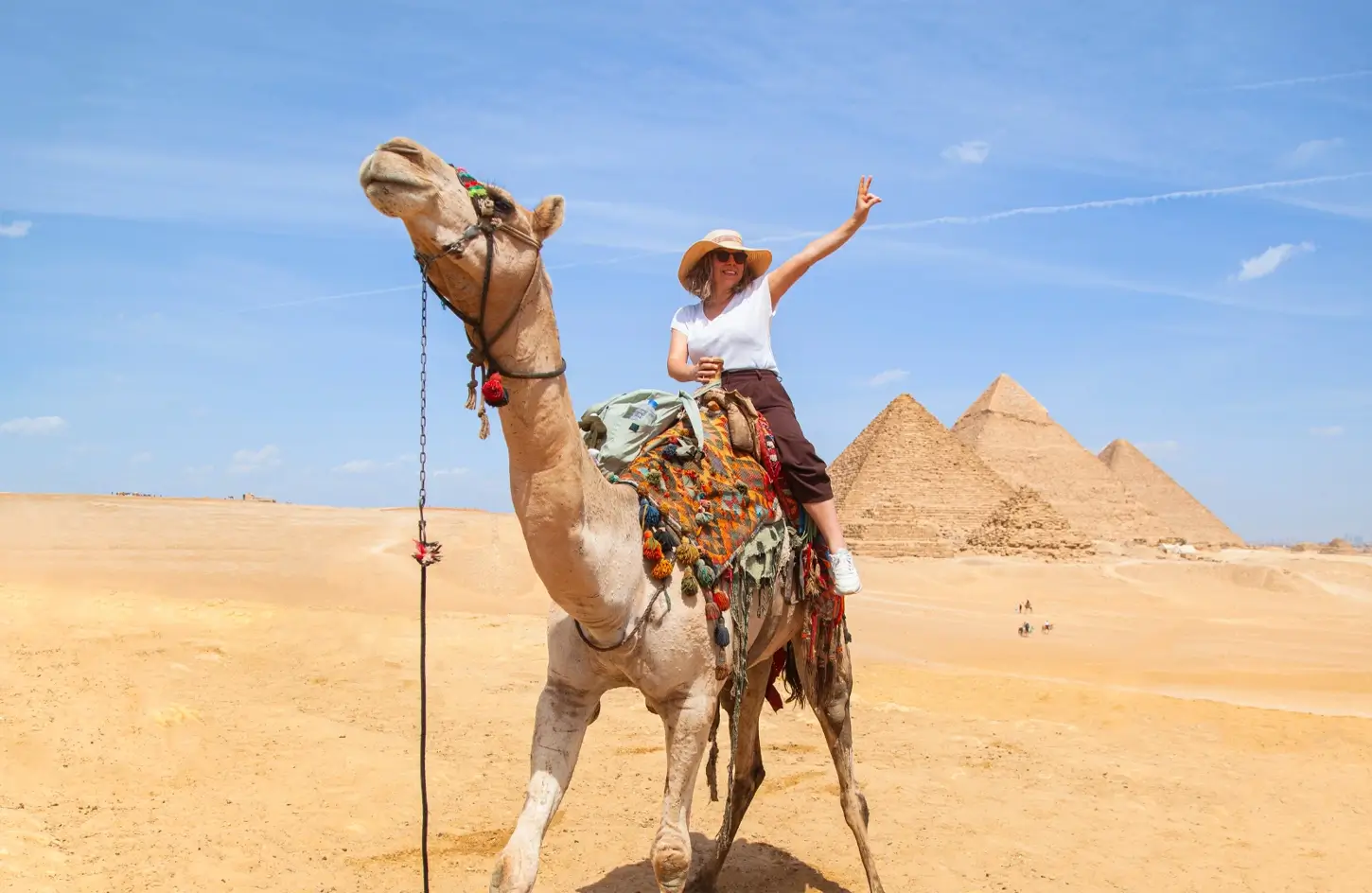
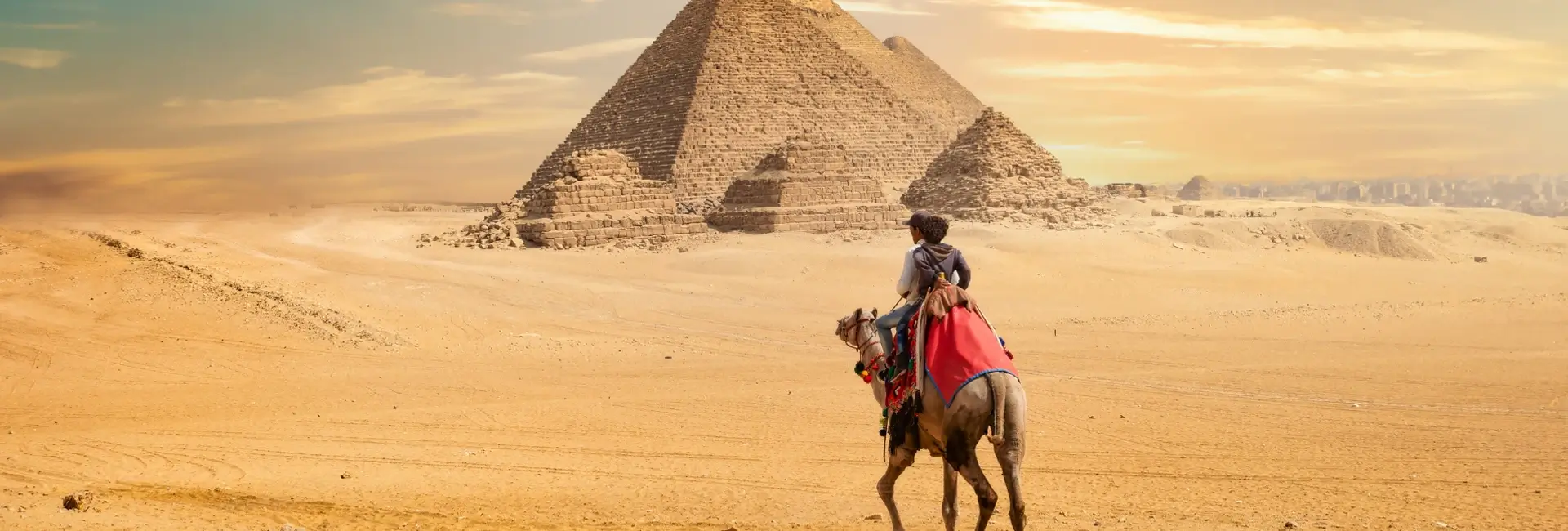
The Giza Pyramids are, for many travelers, the single greatest sight on earth — and they are at their most powerful in the hour after opening (currently 8am, though arriving via private guide from 6:30 am is possible). The Great Pyramid of Khufu stands 138 metres tall and was built from approximately 2.3 million limestone blocks over two decades around 2560 BCE. Beside it, the Pyramid of Khafre (still bearing its original limestone casing at the apex) and the Pyramid of Menkaure (the smallest, but in many ways the most elegant) complete the complex. The Great Sphinx — lion body, human face, 73 metres long — is best photographed from the eastern viewing area as the morning sun rises directly behind it.
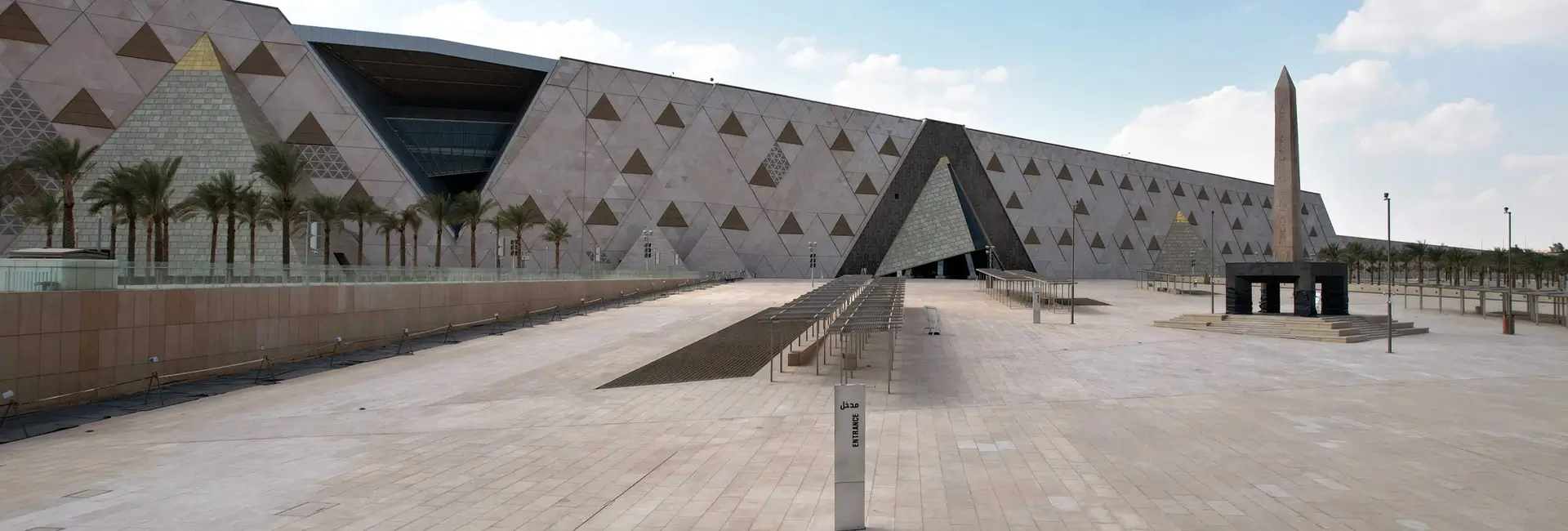
After the Pyramids, your driver takes you to the Grand Egyptian Museum (GEM) — fully opened in 2025 and already the most important museum opening of the 21st century. The entire Tutankhamun collection — all 5,000+ objects — is displayed together for the first time in history, including the golden burial mask, the golden throne, and the canopic coffers. Allow a minimum of 2.5–3 hours; the GEM is vast, and the curation is world-class.
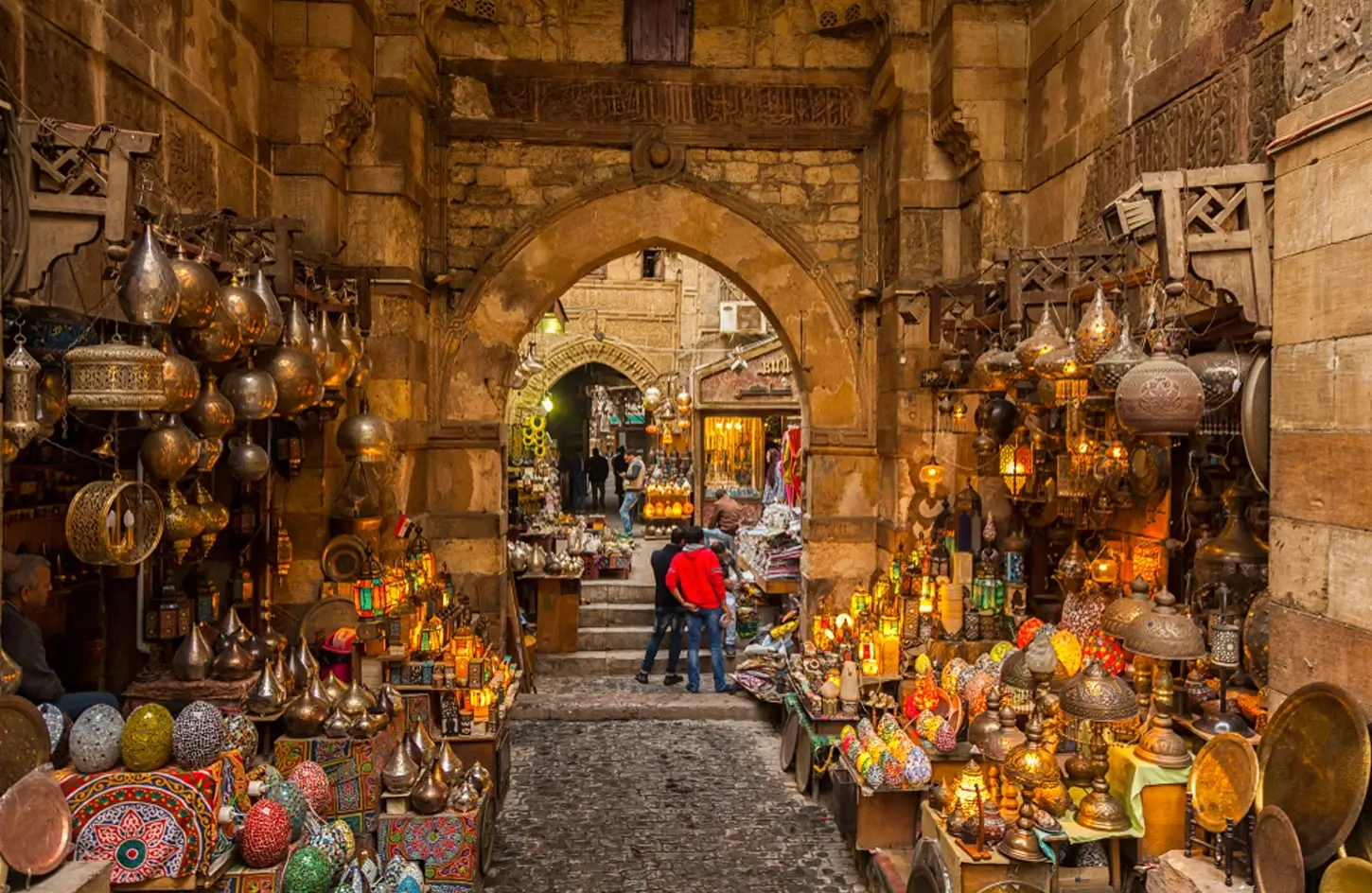
Rest at your hotel through the hottest part of the afternoon — the GEM deserves full energy and you'll need it. In the evening, head to Khan el-Khalili, Cairo's legendary 14th-century bazaar in the heart of Islamic Cairo. Wander the copper-seller alleys, drink mint tea in the historic El-Fishawy Café (open since 1773), and watch the ancient market city do what it has done for seven hundred years: trade, argue, laugh, and stay up far too late.
• 📸 Best photo: Pyramids from the panoramic viewpoint at sunrise — the three pyramids aligned with the city behind them. Bring a telephoto lens.
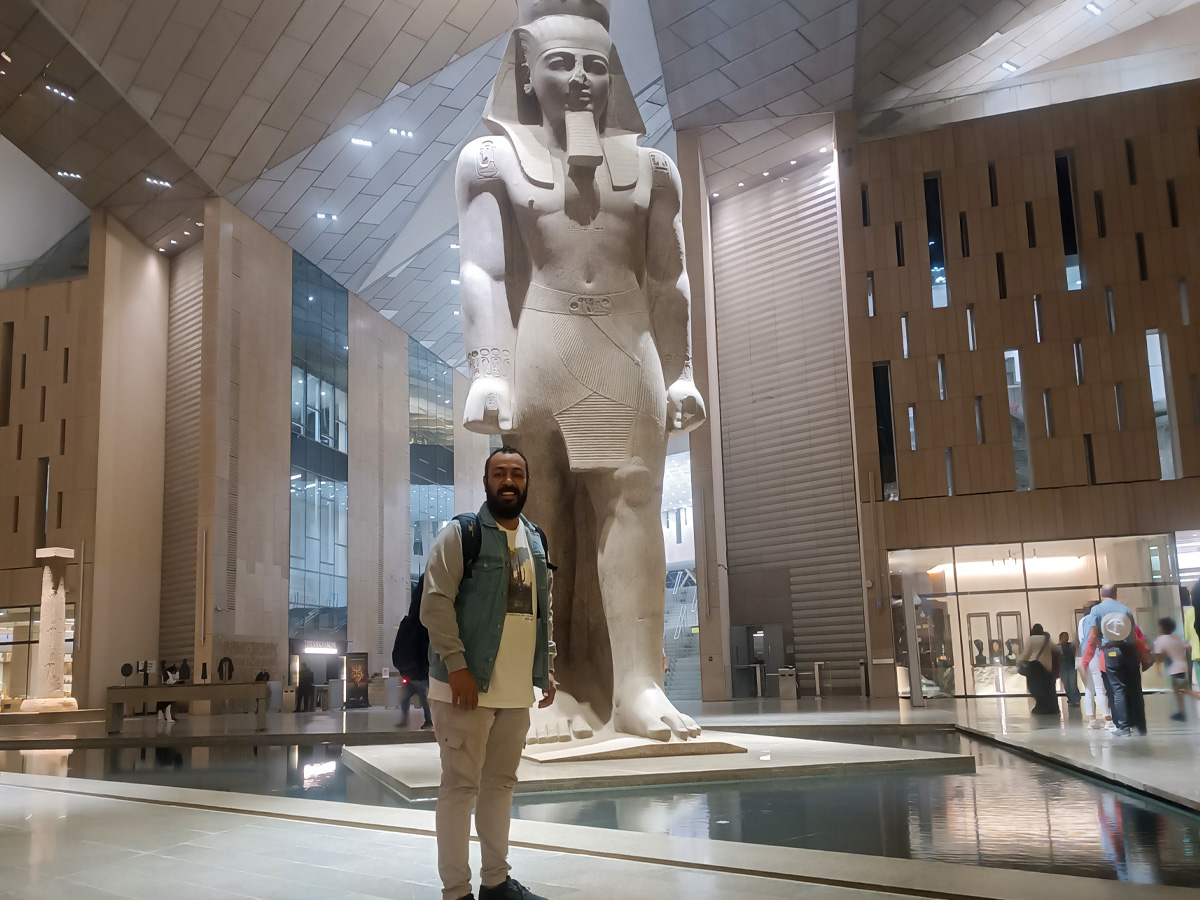
• 📸 GEM atrium: the 20-meter Ramesses II statue in the Grand Hall is extraordinary in morning light from the top of the entrance staircase.
💡 Local insight — GEM practical tip The GEM is enormous — wear comfortable shoes and don't try to see everything. Focus on Hall 3 (the Tutankhamun galleries), the Solar Boat Museum, and the Royal Mummies Hall. Allow the rest to draw you in organically. You will run out of time, not wonder. |
Day 3 — The Older Pyramids & Islamic Cairo: Then Fly to Aswan
Saqqara is where it began. This is the world's first pyramid — not the great triangle of Giza, but the six-stepped limestone monument of Djoser, built around 2650 BCE, a full century before Khufu's pyramid. To stand in its shadow is to stand at the beginning of the story.
Your morning takes you south of Cairo to Saqqara, the vast necropolis that served as Memphis, the ancient capital of the Old Kingdom. The Step Pyramid of Djoser — designed by the great architect Imhotep — is humanity's first large stone structure and the prototype for every pyramid that followed. Its surrounding complex includes the mastaba tombs of nobles, richly painted with scenes of daily Old Kingdom life: fishing, farming, feasting, and lovemaking.
From Saqqara, you drive a few minutes to Dahshur, where two pyramids reveal the evolutionary steps between Saqqara and Giza: the Bent Pyramid (its upper section changes angle midway up — the architect's nerve failed) and the Red Pyramid — the world's first true smooth-sided pyramid. You can enter the Red Pyramid and descend 62 metres into its heart through a low corbelled passage. For those not prone to claustrophobia, it is extraordinary.
After a stop at Memphis — the open-air museum of ancient Egypt's first great capital, including a colossal limestone statue of Ramesses II — your driver returns you to Cairo for checkout and the short transfer to Cairo International Airport. Your domestic EgyptAir flight to Aswan takes approximately one hour and delivers you into a different Egypt entirely.
Aswan is where Egypt slows down. The Nile is darker blue here, wider than in Cairo. Nubian music drifts from the feluccas. The air is hotter, drier, and perfumed with the faint sweetness of dates from the palm trees lining the corniche. Check into your hotel and take a quiet evening walk along the river — you've earned it.
• 📍 Where to stay in Aswan: The Old Cataract Hotel (historic luxury, Nile views, Agatha Christie's favourite — she wrote Death on the Nile here) is the most iconic option. Basma Hotel is a quality mid-range alternative with pool and Nile panorama.
Day 4 — Aswan: Temples, Dams & the Nubian Soul
A motorized felucca takes you across the Nile to Agilkia Island at golden hour. Philae Temple rises from the water like a mirage — its columns and pylons glowing amber against the dark rock of the surrounding island. You understand immediately why the ancient Egyptians called this the "Pearl of the Nile."
Aswan gives you an extraordinary day of contrasts: ancient and modern, engineering marvel and spiritual wonder, Egyptian and Nubian. Begin your morning at the Aswan High Dam — the immense Soviet-Egyptian engineering project completed in 1971 that transformed Egypt's water security, created Lake Nasser (one of the world's largest artificial lakes), and inadvertently required the relocation of Abu Simbel and Philae Temple to save them from the rising waters. It is a monument of a different kind — to 20th-century ambition and international cooperation.
Nearby, the Unfinished Obelisk lies exactly as it was abandoned 3,500 years ago — still attached to its granite quarry, cracked along its length before completion could begin. At 42 metres and estimated 1,200 tonnes, it would have been the largest obelisk ever carved. The crack that stopped the project is visible in the granite. This strange, frozen moment of ancient failure is one of Egypt's most evocative sights.
In the afternoon, take a short motorboat across the water to Philae Temple — a complex dedicated to the goddess Isis, dismantled stone by stone and relocated to Agilkia Island when the High Dam's rising waters threatened to submerge it permanently. It is one of Egypt's best-preserved ancient temple complexes and one of the few that retains traces of its original paint. The afternoon light here is exceptional.
End your Aswan day with a Nubian Village felucca trip — a gentle sail across the Nile to one of the colourful Nubian villages on the West Bank, where tea is poured by local families in rooms painted electric blue and terracotta, and small crocodiles are kept (somewhat surprisingly) in tanks as part of local tradition. This cultural immersion is the most human moment of the whole itinerary.
💡 Local insight — Philae timing Take the felucca to Philae at 4–5pm. The temple faces west and the afternoon sun falls directly on the carved reliefs of Isis and Osiris, illuminating colours that are invisible in flat midday light. If you can arrange the Sound & Light Show at Philae on your evening, it is genuinely spectacular. |
Day 5 — Abu Simbel: The Temples That Stopped the World
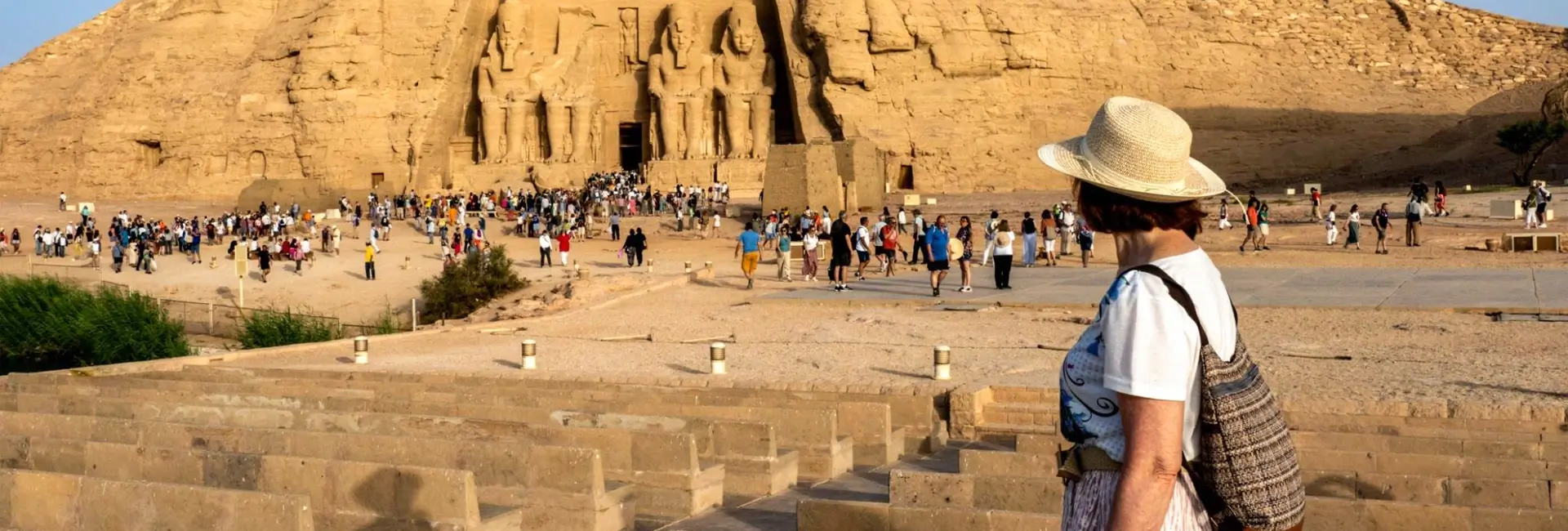
5:30 am. Still dark. The convoy of vehicles heads south from Aswan into the Sahara, the tarmac straight as a ruler through the desert. Two hours pass. Then — in the distance, emerging from the darkness in floodlights — four colossal figures rise from the cliff face. They are 20 meters tall. They have waited here for 3,200 years.
Abu Simbel is the greatest surviving monument of Ramesses II — the pharaoh who ruled Egypt for 67 years, built more monuments than any other ruler in history, and commissioned this extraordinary rock-cut temple complex on the bank of the Nile (now Lake Nasser) as a statement of divine power to the kingdoms of Nubia. The Great Temple of Ramesses II is guarded by four 20-meter seated statues of the pharaoh himself — the largest rock-cut sculpture ensemble in the world. Inside, the painted halls descend through progressively smaller and more sacred chambers to the innermost sanctuary, where four seated figures — Ramesses II among them — receive the sun's rays twice a year on October 22 and February 22: the pharaoh's birthday and coronation date.
The smaller temple beside it — the Temple of Nefertari — was dedicated by Ramesses to his beloved queen and is one of only two ancient Egyptian temples dedicated by a pharaoh to his wife. The six 10-meter statues guarding its facade are an extraordinary artistic statement: Nefertari stands equal in size to Ramesses himself, an unprecedented honor in ancient Egyptian royal iconography.
Allow yourself at least 2–2.5 hours at Abu Simbel. Go inside both temples. Read the battle scenes on the walls of the Great Hall (the Battle of Kadesh against the Hittites — the earliest recorded military engagement in history). Sit on the terrace by the lake and eat your packed breakfast with the temple behind you. This is one of the most extraordinary places on earth and it deserves your full, unhurried attention.
💡 Magdy's Abu Simbel moment Every guide in Egypt has their favorite 'moment' story. Mine is Abu Simbel at dawn, every time. The desert is completely silent. The four colossal statues of Ramesses II emerge from the darkness as the floodlights warm them. Travelers who have been polite and easy-going all morning suddenly go quiet. Some photograph. Some just stand. A woman once told me she had been travelling for thirty years and nothing had prepared her for this. That is Abu Simbel. Do not skip it. |
• 📸 Best photo: Face the temple directly from the viewing terrace 10 minutes after sunrise — the warm light catches the statues' faces from below. Arrive before 7am if flying; the morning light is the whole point.
• ✈️ Fly from Aswan: EgyptAir morning flights take 45 minutes; book 4–6 weeks ahead in peak season (October–April).
• 🚗 Drive from Aswan: 3–3.5 hours each way via police convoy (departs 4am). Dramatic desert road; exhausting but memorable.
Day 6 — The Road to Luxor: Kom Ombo & Edfu
The road north from Aswan follows the Nile all the way. Every bend in the river reveals another stretch of green sugarcane against the Saharan gold. Families wave from the roadside. Donkeys carry impossible loads. The temples appear like punctuation marks in the landscape — immense, impossible, matter-of-fact.
Today is the great transition day of the itinerary — and one of its most rewarding. You depart Aswan by private vehicle, following the Nile north toward Luxor with two extraordinary temple stops that most itineraries treat as an afterthought but deserve far more.
Kom Ombo Temple appears first — a double temple uniquely dedicated to two gods: Sobek, the crocodile god, on the left half of the complex, and Haroeris, the falcon-headed form of Horus, on the right. Built during the Ptolemaic era on a dramatic bend in the Nile, Kom Ombo is one of Egypt's most photogenic ancient sites — the temple's honey-coloured stone reflected in the river below. Adjacent to the main temple, the small Crocodile Museum displays mummified crocodiles excavated from sacred caches beneath the temple floor — an unexpected delight.
Further north, Edfu Temple is Egypt's best-preserved ancient temple and one of the most complete surviving examples of pharaonic architecture anywhere in the world. Built between 237 BCE and 57 BCE during the Ptolemaic period, it was buried under centuries of desert sand and river silt — which is precisely why it survived so intact. Its pylons, hypostyle hall, and inner sanctuary look, astonishingly, as if construction finished last century. The temple is dedicated to Horus — the falcon-headed god of kingship — and the enormous granite statue of the god standing in the entrance hall is one of Egypt's most arresting single images.
• 🐴 Arrive at Edfu by horse-drawn calèche from the riverbank — the traditional way that adds to the theatrical arrival.
• ⏰ Allow 1.5–2 hours at Edfu — it is larger and more complex than it first appears.
• 🌙 Arrive Luxor by late afternoon. Your evening reward: Luxor Temple at night — the first of many extraordinary Luxor experiences.
💡 Magdy on Day 6 Day 6 is the day most travelers tell me they didn't expect to love. Two temples they'd heard little about, a road they'd never have driven otherwise, and a slow unfolding of the landscape that prepares you for Luxor in a way no flight could. Take your time at both temples. Eat lunch at a local restaurant in Edfu. Let the day breathe. |
Day 7 — Luxor West Bank: Into the City of the Dead
You cross the Nile at 6:30 am on the local ferry, the West Bank still in deep shadow. The limestone cliffs above the Valley of the Kings glow amber at their peaks. The necropolis is hidden in the dry crease between the mountains. Everything is very quiet.
Luxor's West Bank is one of the most remarkable places on earth: a mountain honeycombed with royal tombs, surrounded by the mortuary temples of pharaohs who ruled Egypt for three thousand years. This is where ancient Egyptians buried their dead — across the river from the living city on the East Bank, in keeping with the sacred symbolism of the setting sun. Your West Bank day follows the natural rhythm of the sites: start deep in the Valley of the Kings at sunrise, rise to Hatshepsut's mountain-side temple mid-morning, and ease into the afternoon with the lesser-visited but astonishing Medinet Habu.
Valley of the Kings: Your standard ticket covers three tombs (choose from over 60 excavated). The standout recommendations: Tomb of Ramesses VI (the finest painted astronomical ceiling in Egypt — the entire body of Nut, sky goddess, arching across the burial chamber ceiling is breathtaking), Tomb of Merenptah (the pharaoh often associated with the Biblical Exodus — large, well-preserved, powerful), and Tomb of Seti II (excellent painted reliefs, uncrowded). Tutankhamun's tomb requires a separate ticket ($30+) but is worth it for the young pharaoh's golden sarcophagus.
Hatshepsut Temple (Deir el-Bahari): The three-tiered colonnaded masterpiece rising directly from the cliff face is one of the most architecturally elegant buildings in the ancient world. Queen Hatshepsut, who ruled Egypt as a king for over 20 years, built it as both mortuary temple and monument to her divine origins. The painted reliefs inside the colonnades — depicting her divine conception, her trading expedition to the land of Punt, and her coronation — are extraordinarily well-preserved.
Before leaving the West Bank, stop at the free-to-visit Colossi of Memnon (two 18-metre quartzite statues of Amenhotep III standing sentinel in the fields — the essential West Bank photo stop), and if energy allows, explore Medinet Habu — the great mortuary temple of Ramesses III, Luxor's most underrated site and a place of genuine quiet solitude even in high season.
💡 Local secret — Deir el-Medina Allow 45 minutes for Deir el-Medina — the workers' village where the craftsmen who built the Valley of the Kings lived for generations. Their own tombs, smaller than the pharaohs' but no less beautifully painted, give you the most human connection in all of Luxor. This is history told from the inside, not the top. |
Day 8 — Luxor East Bank: Temples, Museums & a Night on the Nile
6 am sharp at Karnak Temple. The Hypostyle Hall opens before you — 134 columns, the tallest 21 meters high, the morning sun cutting between them in long golden bars. This is the largest religious structure ever built by human hands. You walk into it and the city of Luxor outside simply ceases to exist.
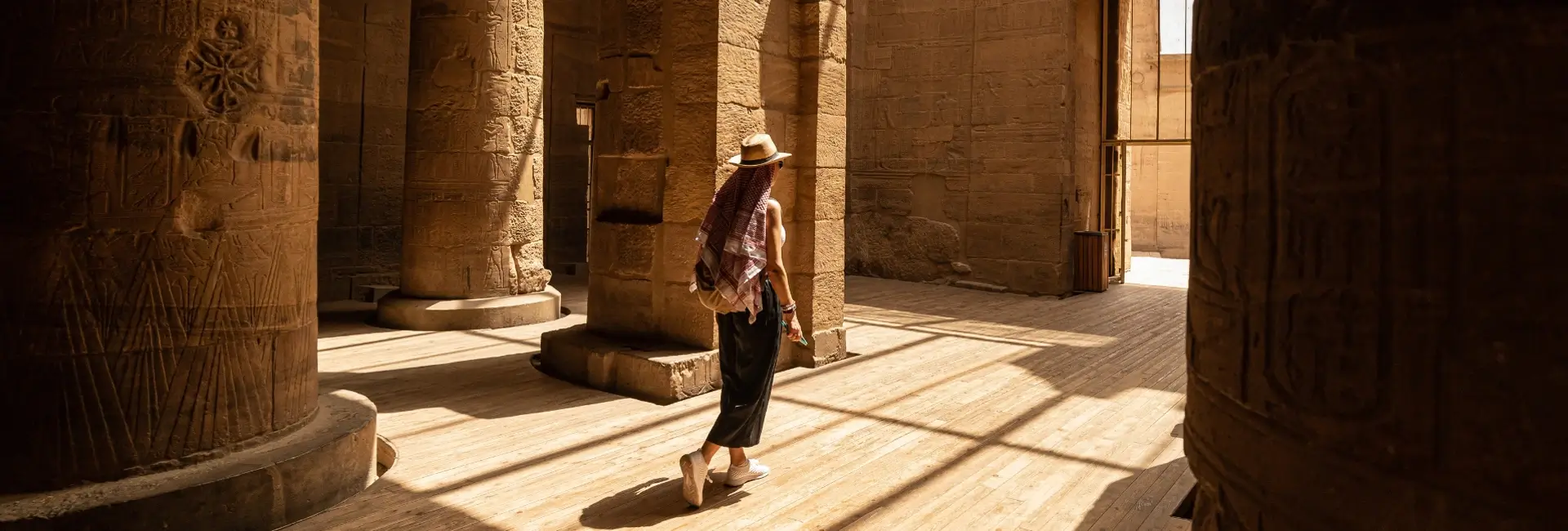
Karnak Temple is the masterwork of the East Bank and the greatest temple complex in ancient Egypt — built, added to, and embellished over 2,000 years by more than thirty different pharaohs. Arrive at opening (6am with a private guide allows access to the Great Hypostyle Hall before the first tour groups arrive) and allow 2.5–3 hours. Don't miss the Sacred Lake, the Avenue of Ram Sphinxes (recently restored and reopened), and the smaller Khonsu Temple — one of the most complete and atmospheric buildings in the complex.
After lunch and a midday rest, visit the Luxor Museum — the finest and best-curated collection of Upper Egyptian artifacts outside Cairo. Its gallery of New Kingdom royal statuary is extraordinary: the colossal head of Amenhotep III, the standing statue of Thutmose III (the Napoleon of ancient Egypt), and a magnificent granite head of Ramesses II are among its highlights. The Luxor Museum never has the crowds of Karnak but consistently impresses even the most jaded traveler.
As the afternoon softens into evening, hire a felucca for one hour on the Nile — a traditional wooden sailing boat — and drift past Luxor Temple, the West Bank cliffs, and the Nile's extraordinary light as the sun drops behind the mountain. This is the hour when Luxor is most beautiful.
End your Day 8 with dinner at Sofra Restaurant on Mohammed Farid Street — a local institution that serves the best traditional Egyptian food in Luxor. Order the hamam mahshi (stuffed pigeon), the molokhia (green herb stew poured over rice), and the warm local bread that keeps coming to the table. This is not a tourist restaurant. It is a Luxor restaurant that tourists are lucky to find.
💡 Magdy on Day 8 Day 8 is when travelers realize they need to come back to Egypt. The temples, the museum, the river, the dinner — it is too much goodness for one lifetime. I have watched this realization arrive on people's faces at the felucca, as Luxor Temple turns gold in the sunset light. At that moment, Egypt wins. |
Day 9 — The Sunrise Balloon & The Journey Home Begins
5 am alarm. You dress in darkness. Your driver takes you to the West Bank launch site, where the balloon envelope is inflating slowly in the dark field. The other passengers are quiet. The propane burner ignites above you with a roar. Then — liftoff. Luxor falls away below and the ancient world spreads itself out at your feet like a map.
The hot air balloon over Luxor at sunrise is the single finest thing you can do in Egypt. Rising silently above the Valley of the Kings, you watch the Nile cut its silver ribbon through the desert, Karnak Temple's columns tiny far below, the Theban Mountains still in shadow while the valley floor glows gold. In 45–60 minutes of flight, the entire geography of this ancient civilization becomes visible and comprehensible in a way that weeks of reading could not achieve.
Book your balloon through your hotel or local guide 1–2 days before departure and always confirm the evening before (weather cancellations occur, particularly in December–January). The most reputable companies — Sky Cruise, Magic Horizon, Hod Hod Soliman — operate from the same West Bank launch field at roughly the same time. A well-earned hot breakfast back at your hotel follows.
Your afternoon brings a gentle transition: browse the Luxor souk for last souvenirs (alabaster from local workshops, papyrus, hand-woven textiles), visit the Mummification Museum on the Nile Corniche if you haven't yet (a small gem, covering ancient Egyptian embalming practices with real mummies and extraordinary detail), and make your way to Luxor Airport for your flight back to Cairo or — if your international routing allows — your direct flight home.
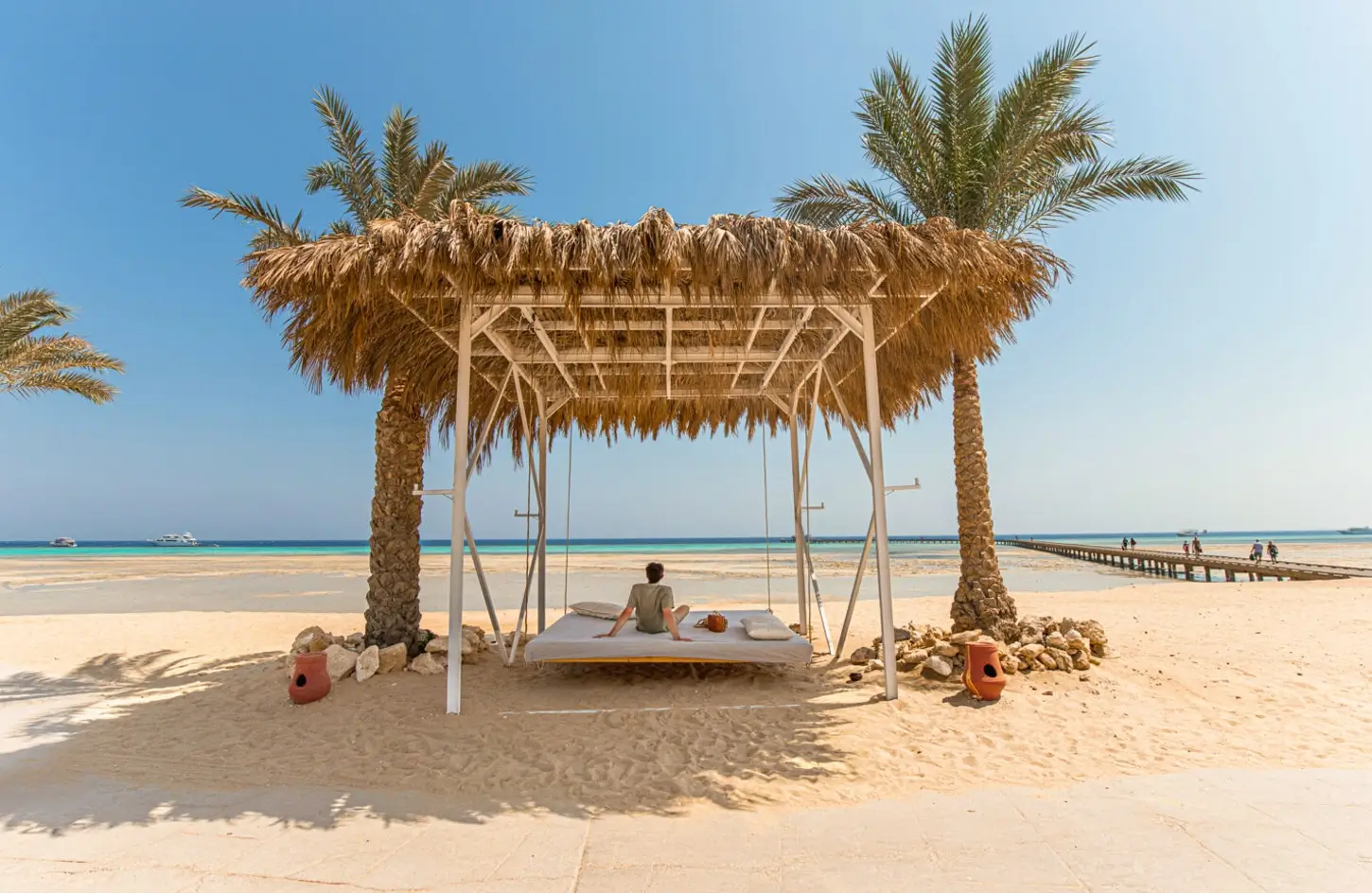
• 🌊 Optional extension: Add 1–2 nights in Hurghada or El Gouna (3.5-hour drive from Luxor) for Red Sea relaxation — perfect for families or couples who want beach time after a week of intense sightseeing.
💡 The balloon perspective You rise above everything — the temples, the Nile, the desert — and it all makes sense, laid out below you like a map of the ancient world. Every traveler I have taken up in a balloon over Luxor says the same thing when they land: now I understand Egypt. That, after ten days, is exactly what you want to feel. |
Day 10 — Farewell Cairo (Or Fly Direct Home)
Every traveler I have ever brought to Egypt says the same thing on Day 10: ten days wasn't enough. They are right. But what they got will last a lifetime.
If your international routing brings you back through Cairo, you have a final half-day. The Citadel of Saladin and the Alabaster Mosque of Muhammad Ali — the Ottoman-era citadel complex on the hill above Islamic Cairo — is magnificent and often missed by first-timers who spent their Cairo days at the Pyramids and the GEM. From its terrace, the city of Cairo spreads in every direction and the Pyramids are visible on the western horizon.
Alternatively, use your final Cairo hours for a last stroll through Khan el-Khalili, a coffee in one of the old Ottoman-era ahwas (tea houses), and the kind of unhurried browsing that ten days of sightseeing rarely allows. Then transfer to Cairo International Airport and carry Egypt home with you — in your photographs, your purchases, and in something harder to photograph but impossible to forget.
Route B — The Nile Cruise Variant (Same 10 Days)
For travelers who want their temples delivered to them by water, Route B reimagines Days 5–8 of the itinerary as a 3–4 night Nile cruise from Aswan to Luxor. The Cairo days are identical. The Abu Simbel day trip is identical. The balloon remains the emotional climax. What changes is everything in between — and for the right traveler, this difference is transformative.
"Route B is how I describe a Nile cruise to first-timers: imagine your hotel floats, your meals are served with river views, and your guide meets you at every dock. All you do is exist — and every hour is extraordinary."
Day | Route A — Land-Based | Route B — Nile Cruise | Note |
Days 1–3 | Cairo — Pyramids, GEM, Saqqara, Islamic Cairo | Cairo — Pyramids, GEM, Saqqara, Islamic Cairo | Identical |
Day 4 | Aswan: High Dam, Philae Temple, Nubian Village | Aswan: High Dam, Philae Temple, Nubian Village | Identical |
Day 5 | Abu Simbel day trip (fly or drive from Aswan) | Abu Simbel day trip (before boarding cruise) | Identical |
Day 6 | Overland Aswan → Luxor via Kom Ombo + Edfu | Board cruise in Aswan → sail to Kom Ombo + Edfu | Key difference |
Day 7 | Luxor West Bank — private vehicle/guide | Luxor West Bank — from cruise dock | Cruise arrives Luxor |
Day 8 | Karnak, Luxor Museum, felucca — hotel night | Karnak, Luxor Museum — disembark cruise | Disembark Day 8 |
Day 9 | Hot air balloon → fly Luxor → Cairo | Hot air balloon → fly Luxor → Cairo | Identical |
Day 10 | Final Cairo or depart | Final Cairo or depart | Identical |
Best for | Independent travelers, families, wider sightseeing | Couples, seniors, and first-timers wanting comfort | Choose your style |
Approximate extra cost | — | +$300–3,000pp depending on cruise tier | Route B premium |
On a Nile cruise, you board your ship in Aswan on Day 5 (after returning from Abu Simbel), and the ship sails north with the current — arriving at Kom Ombo for a sunset temple visit, Edfu the following morning, and Luxor by Day 7. Your temples are delivered to the dock and your Egyptologist guide boards with you. In the evenings, the ship anchors mid-river and the Nile is yours — dinner on the deck, the stars enormous above the desert, the sound of the water the only noise.
For those choosing Route B, see our detailed guide to Best Time to Cruise the Nile and the full range of Nile Cruise Packages on Egypt Tailored Tours.com — from 3-night standard cruises to private dahabiyas for the most intimate river experience in Egypt.
Egypt Itinerary 10 Days — Budget Planner
The most common question I receive from travelers planning their 10-day Egypt itinerary is simply: "How much will this cost?" It is also the question that most travel articles answer either vaguely or not at all. Here is an honest, category-by-category breakdown for 2026, covering all three budget levels:
Category | Budget | Mid-Range | Luxury | Notes |
Domestic flights (Cairo↔Aswan, Luxor↔Cairo) | $120–150 | $150–200 | $200–300 | Book 4–8 weeks ahead in peak season |
Hotels (per night × 9 nights) | $30–60/night | $80–150/night | $200–500+/night | Prices double Oct–Apr |
Nile Cruise (Route B, 4 nights) | $300–500pp | $600–1,000pp | $1,500–3,000pp | Per person, double cabin |
Entrance fees (all sites) | ~$200pp | ~$250pp | ~$300pp | Nefertari's Tomb extra ($30+) |
Guided tours / private driver | $80–100/day | $120–180/day | $200–350/day | Per day, private guide |
Abu Simbel (flight from Aswan) | $80–100pp | $100–150pp | $150+ | Drive option saves $40–60 |
Hot air balloon (Luxor) | $60–70pp | $80–100pp | $120–150pp | Book through hotel/guide |
Food (per day) | $15–25 | $30–60 | $80–150 | Local restaurants save significantly |
ESTIMATED TOTAL (10 days pp) | $1,200–1,800 | $2,500–4,000 | $6,000–12,000+ | Excl. international flights |
⚠️ All estimates are per person based on double occupancy. International flights not included. Prices are approximate for the 2026 season and vary by time of year, ship quality, and supplier. Nile Cruise costs apply to Route B only.
The single most cost-effective upgrade at any budget level is a private local Egyptologist guide for each city block (Cairo, Aswan/Abu Simbel, Luxor). At $120–180 per day mid-range, the difference in depth, context, and logistical ease is impossible to replicate with an audio guide or a group tour. It is, without question, the best money spent in Egypt.
Practical Planning Notes — What to Book and When
Book in Advance
• International flights — as early as possible for best rates; confirm Egypt visa requirements for your nationality
• EgyptAir domestic flights Cairo → Aswan and Luxor → Cairo — 4–8 weeks ahead in peak season (October–April)
• Abu Simbel flights — limited daily seats; book 4–6 weeks ahead in peak season, or confirm convoy road option as backup
• Nile cruise (Route B) — 2–4 months ahead for preferred ships and cabin categories; popular ships fill by September for winter season
• Hot air balloon — book through your guide or hotel 1–2 days before; have a backup morning in case of weather cancellation
• Valley of the Kings, Nefertari's Tomb — no advance booking needed; pay entry fees at the gate on arrival
What to Pack Specifically for This Itinerary
• Comfortable, broken-in walking shoes — you will walk the equivalent of a small marathon across ten days; new shoes are a mistake
• Light layers — temple interiors can be surprisingly cool in winter months, even when outside temperatures are warm
• Reusable water bottle — drink a minimum of 3 liters daily; dehydration is the most common reason travelers feel ill in Egypt
• Scarf or pashmina — for mosques, dusty desert roads, Abu Simbel's early morning chill, and cool Nile evenings
• Small daypack — leave your main luggage at the hotel and carry only what you need; Egyptian sites involve a lot of walking
• See our complete Egypt Packing List (Post #11) for a full gear checklist including currency advice, power adapters, and medication tips
Frequently Asked Questions — Egypt Itinerary 10 Days
Q1: Is 10 days enough for Egypt?
Yes — 10 days is widely considered the ideal length for a first trip to Egypt. It covers the essential four destinations — Cairo (3 nights), Aswan (2 nights), Abu Simbel (day trip), and Luxor (3 nights) — with one day as a buffer for transit and recovery. You won't see everything Egypt has to offer; no trip ever does. But you'll see the essential, the extraordinary, and the transformative — and you'll return home knowing you understood the country rather than just visited it.
Q2: What is the best route for 10 days in Egypt?
The most recommended 10-day Egypt route: fly into Cairo (3 nights) → fly south to Aswan (2 nights + Abu Simbel day trip) → travel north to Luxor via Kom Ombo and Edfu (3 nights) → fly home from Luxor or back to Cairo. Going south first follows the Nile's natural northward flow and allows you to build from Aswan's gentle rhythm to Luxor's overwhelming density of sites. This is the route endorsed by every Egypt travel specialist and local guide.
Q3: Should I include a Nile cruise in a 10-day Egypt itinerary?
A Nile cruise fits beautifully into a 10-day Egypt itinerary as a 3–4 night addition replacing the overland Aswan-to-Luxor leg (Route B above). The cruise covers Kom Ombo and Edfu en route, delivering temple visits from the dock. It adds comfort, romance, and the unique experience of sleeping on the Nile — ideal for couples, families with older children, and first-timers who want a relaxed, guided pace. Independent travelers and those on a tighter budget may prefer the flexibility of Route A's overland approach.
Q4: How much does a 10-day Egypt trip cost?
A 10-day Egypt trip costs approximately $1,200–1,800 per person at budget level, $2,500–4,000 mid-range, or $6,000–12,000+ for luxury — excluding international flights. Major costs include domestic flights, accommodation, entrance fees (budget: $200–250 per person for all sites), guided tours, and transport to Abu Simbel. A Nile cruise adds $300–3,000 per person, depending on the ship's standard. Full breakdown in the budget table above.
Q5: Do I need a guide for a 10-day itinerary in Egypt?
You don't legally need one — but a private local Egyptologist guide is the single most valuable investment in any Egypt itinerary. They provide historical context that transforms a visit from sightseeing into genuine understanding, navigate the entry procedures and crowd management that exhaust independent travelers, and deliver local knowledge that no guidebook or app can replicate. For a 10-day itinerary, budget for a private guide for each city block: Cairo, Aswan/Abu Simbel, and Luxor.
Q6: Can I add the Red Sea to a 10-day Egypt itinerary?
Yes — the most natural addition is 1–2 nights in Hurghada or El Gouna at the end of the Luxor leg (3.5-hour drive from Luxor). This either requires reducing Luxor by a day or extending the trip by 1–2 days. It works particularly well for families or couples who want a beach recovery day after a week of intense temple-visiting. From Hurghada, fly back to Cairo for your international departure.
Ready to Book Your 10 Days in Egypt?
This itinerary has been refined over fifteen years of guiding first-timers through Egypt. Every day is designed to balance the extraordinary with the sustainable — big mornings, recovery time, great evenings. The temples are sequenced so that each one builds on the last. The pacing is designed so that you still have energy on Day 9 when the balloon takes off before dawn.
The single best upgrade to any version of this itinerary — Route A or B, budget or luxury — is a private local Egyptologist guide for each city block: one for Cairo, one for Aswan and Abu Simbel, one for Luxor. The difference between a self-guided visit and a guided one is the difference between seeing the Valley of the Kings and understanding it. In Egypt, understanding is the point.
For the full depth of planning your 10-day trip, explore these essential guides from our series:
• → Best Time to Visit Egypt — when to go for perfect weather and fewer crowds
• → Egypt Travel Tips for First-Timers — the 25 things you need to know before you land
• → How to Get a Visa for Egypt — requirements, e-visa process, and arrival tips
• → Egypt Travel Budget — complete cost breakdown for every budget level
• → Best Time to Cruise the Nile — which season, which ship, which route
• → Egypt Tour Packages on Egypt Tailored Tours.com — customized itineraries for every travel style
Want this exact itinerary customized to your dates, group size, and travel style? Our local team designs it for you — message us today. |