At some point — perhaps sitting in a meeting that has gone on too long, or scrolling through someone else's holiday photographs at midnight — you made a decision. You are going to Egypt.
And then you opened a browser and typed "how to plan a trip to Egypt" and discovered that Egypt, for all its ancient clarity, is remarkably difficult to plan from the outside. Too many cities. Too many temples. Too many cruise options, too many blogs with contradictory advice, too many people telling you to go in October and too many others telling you to go in March.
I have been planning Egypt trips for fifteen years. I have helped thousands of travelers — couples, families, solo adventurers, retirees, history professors — turn that midnight decision into the most remarkable journey of their lives.
What I have learned is that Egypt's planning is not complicated. It just has an order. A sequence of ten decisions, each one building on the last, that takes you from "I want to go" to standing in front of the Pyramids at 7 am, wondering why it took you so long. These are those ten steps.
Before the Steps — One Thing to Understand First
Let me tell you the thing no planning guide says clearly enough: Egypt is not a difficult country to visit. What feels overwhelming is the density of possibility — ancient temples layered on ancient temples, four thousand years of history compressed into a few hundred kilometers of river valley. Density without structure feels overwhelming. Structure transforms it.
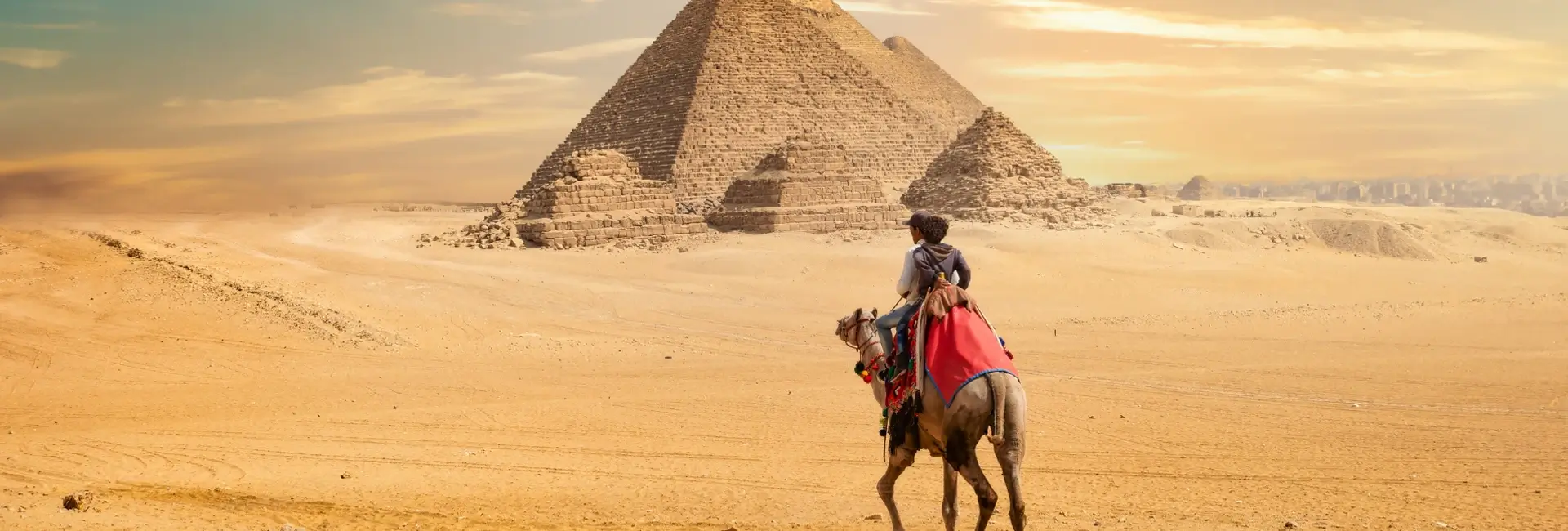
Here is the structure. Egypt has a natural geographical sequence — Cairo in the north, Aswan in the deep south, Luxor in between — that gives every trip a logical spine. Once you understand the Golden Triangle of Cairo, Luxor, and Aswan, the rest of your planning falls into place. Every additional destination in Egypt — Abu Simbel, Hurghada, Siwa, the White Desert — radiates from these three anchor cities like chapters branching from a central story.
The travelers who enjoy Egypt most are not the ones with the most time or the biggest budget. They are the ones who planned in the right order, made a small number of large decisions early, and then let Egypt surprise them with everything else. That is what these ten steps will do for you.
Step 1 — Decide What Kind of Egypt Trip You Want
Before you book a single flight or scroll through a single hotel, sit down and answer two questions. They sound simple. They shape everything else.
What Is Your Primary Focus?
Not everyone comes to Egypt for the same reason, and Egypt is generous enough to offer several fundamentally different journeys:
• Ancient history immersion — Cairo, Luxor, Aswan, Abu Simbel. The full sweep of Pharaonic civilization from the Old Kingdom to the New Kingdom to the Nubian south. This is the classic first trip and the one I recommend most.
• Nile cruise focus — Cairo for a few days, then a floating hotel journey between Aswan and Luxor, the temples arriving quietly at the dock each morning.
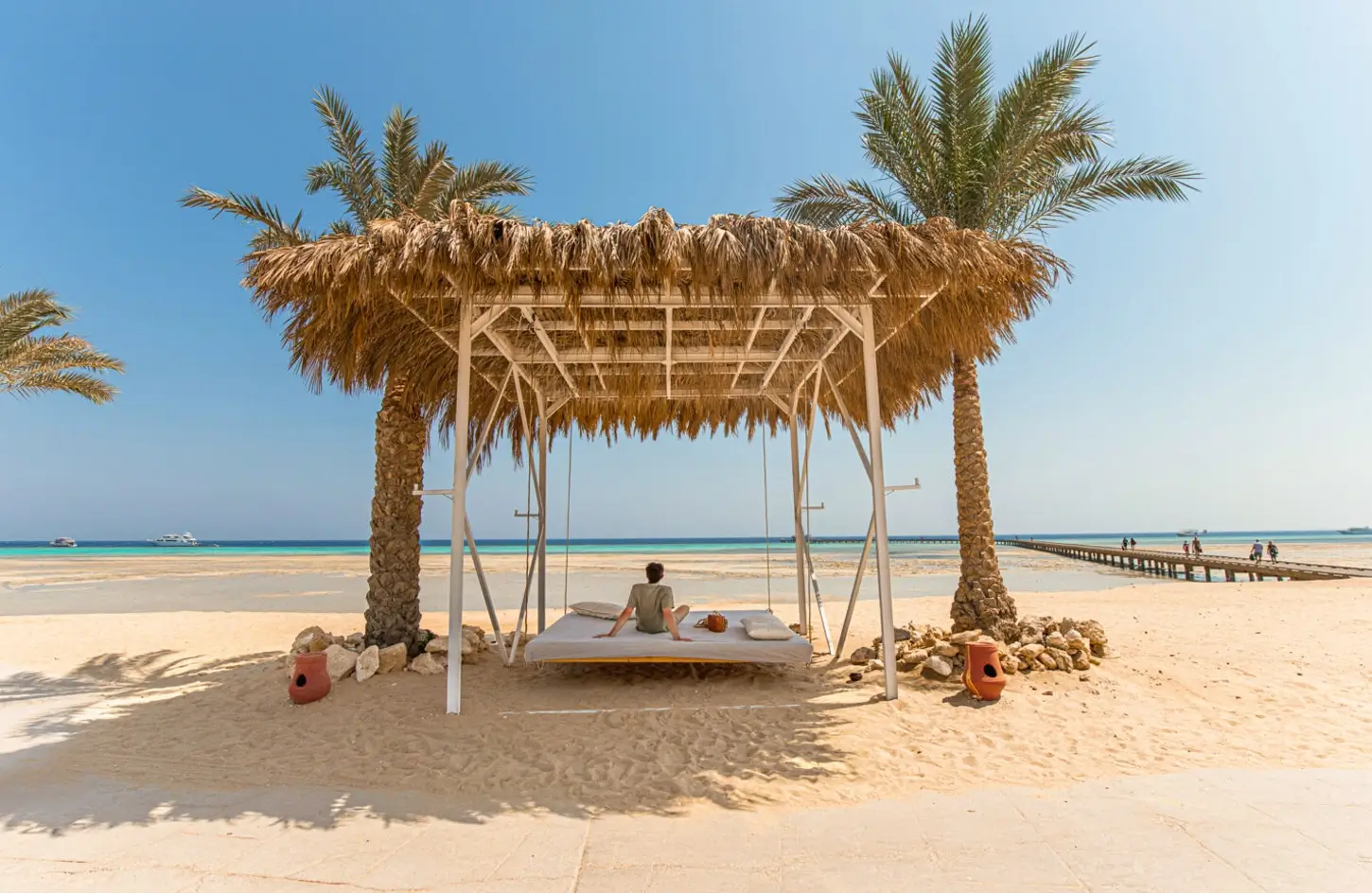
• History and beach combination — the Golden Triangle plus Hurghada or Sharm el-Sheikh for families or couples who want coral reefs alongside colossal statues.
• Off the beaten path — Siwa Oasis, the White Desert, and Greek and Roman Alexandria. I recommend saving these for a second trip, once you have the pyramid-shaped baseline.
Will You Travel Independently or With a Guide?
This is the decision that most planning guides avoid answering honestly. Egypt is absolutely accessible as an independent traveller — Uber works in all three cities, trains run between Cairo and Luxor and Aswan, and the main sites are easy to enter without a guide. The challenge is not logistics. The challenge is interpretation.
Egypt's ancient sites have almost no on-site explanation. Without a trained Egyptologist beside you in the Valley of the Kings, you are looking at walls covered in extraordinary paintings and hieroglyphs that say nothing to you. With an Egyptologist, those walls speak the names of pharaohs, tell stories of the afterlife, decode the astronomy in the ceiling paintings.
My honest recommendation: hire a private Egyptian guide for at least your Cairo and Luxor days. Not because Egypt is complicated — it is not — but because understanding what you are seeing is the difference between an impressive holiday and a transformative one. Group tours offer a more affordable version of the same experience. Fully independent travel is valid for experienced international travelers who accept trading depth for freedom.
💡 Before You Arrive — WhatsApp your guide before departure and ask for three or four things to read in advance — the story of Ramesses II, the mythology of Osiris, a primer on the Valley of the Kings. The more you arrive knowing, the more the temples give back. |
Already decided on guided or independent? Share your travel dates with our local team, and we'll match you to the right format. |
Step 2 — Choose Your Timing
The Egyptian sun is honest. In summer (May–September), it burns hot enough to make outdoor sightseeing genuinely difficult, particularly at exposed sites like Karnak and Abu Simbel. October through April brings comfortable conditions across the country, though December and January are significantly cooler in the south.
My personal sweet spots are November and March. The light in November is extraordinary — long, golden afternoons over the Nile, warm days, cool evenings, and the kind of soft shadows across temple columns that make every photograph look professional. March brings similar light with slightly longer days.
Ramadan 2026 runs approximately from 17 February to 19 March. Ramadan in Egypt is a different, quieter, more intimate experience — sunset iftar meals, the hush before the call to prayer, local hospitality at its most generous. Sites are less crowded. But restaurant hours change, some tourist services run at a reduced pace, and the overall pace shifts. Plan for it and embrace it rather than working around it.
The most important timing question: do your available dates fall in peak season (October–April, higher prices, cruise cabins fill quickly) or shoulder season (May, September–October, significant discounts, manageable temperatures)? The answer determines how urgently you need to book.
→ → Best Time to Visit Egypt
→ → Best Time to Cruise the Nile
Step 3 — Decide How Long You Have
Be honest with yourself about your dates before you start planning. Then match your expectations to what is actually possible.
Duration | What You Can Cover | Best Suited For |
5–6 days | Cairo + either Luxor or Aswan (not both) | Short-break; Gulf travellers |
7–8 days | Cairo + Luxor + Aswan (Golden Triangle, rushed) | First-timers with limited leave |
10 days ★ | Golden Triangle + Abu Simbel + breathing room | Ideal first trip — our top recommendation |
12–14 days | Golden Triangle + Abu Simbel + Red Sea or Alexandria | Thorough first trip |
2+ weeks | Everything above + Siwa, White Desert, Sinai | Repeat visitors or slow travelers |
Ten days is the number. If I could give every first-time visitor to Egypt one piece of advice — just one — it would be this: find ten days. In ten days, you will see every essential site, nothing will feel rushed, and you will leave wanting more rather than leaving exhausted. Wanting more is exactly how Egypt should leave you.
Shorter trips are genuinely valuable — a week in Egypt is still life-changing — but they require tighter choices. If you only have seven or eight days, choose between a Nile cruise and overland travel. Trying to do both at the same pace is the most common source of post-trip regret I hear from returning visitors.
→ → Egypt Itinerary 10 Days — the recommended first-trip framework
→ → Egypt Itinerary 7 Days — for shorter trips
→ → How to Spend 5 Days in Egypt — for very tight schedules
Step 4 — Build Your Route
Egypt has a geographical logic that makes routing simple once you understand it. The country runs roughly north-to-south along the Nile, Cairo in the north, Aswan in the deep south. The ancient story runs south-to-north — the oldest and most remote temples are in the deep south, the later eras move progressively northward.
The Direction Decision — Why South First Makes Sense
The recommended routing: fly into Cairo (2–3 nights) → fly south to Aswan (2 nights + Abu Simbel day trip) → travel north to Luxor (2–3 nights) → fly home from Luxor, or take a short domestic connection back to Cairo for international departure.
This sequence works for three reasons. First, it follows the Nile's natural northward flow and builds the ancient story chronologically — Nubia and the Ptolemaic temples before arriving at the New Kingdom capitals of Luxor, giving the history a satisfying arc. Second, Aswan is the hottest city — visiting it first means you finish in cooler, more comfortable Luxor. Third, finishing in Luxor is cinematically correct: the Valley of the Kings, Karnak at sunrise, the West Bank tombs deserve to be the final impression Egypt leaves you with.
The Nile Cruise Decision
If adding a cruise, insert it between Aswan and Luxor — the classic four- or five-night Aswan-to-Luxor route past sugarcane fields and sandstone cliffs, stopping at Kom Ombo and Edfu along the way. The cruise does not add time; it replaces the overland Aswan-to-Luxor leg with a more relaxed, more romantic version of the same journey.
The choice between cruise and overland is a question of temperament. A cruise is a floating hotel that brings Egypt to you — unhurried meals on the sun deck, temples delivered to the dock at dawn. Overland is faster and more flexible, making Abu Simbel easier to include as an early-morning return trip from Aswan. Both are excellent. Neither is wrong.
Optional Add-Ons Worth Considering
• Red Sea (Hurghada): 2–3 days at the end — 3.5-hour drive from Luxor, perfect for families or beach recovery after the temples
• Alexandria: A single-day trip from Cairo by train (2.5 hours) — the Mediterranean face of Egypt, Greco-Roman ruins, the Bibliotheca Alexandrina, the best seafood in the country
• White Desert: A 2-day desert safari from Cairo — chalk formations shaped like giant mushrooms rising from a flat white plain, star-filled sky, camping consistently described as the most otherworldly night of the entire trip
• Sinai: St. Catherine's Monastery and a Mount Sinai sunrise — 2–3 days, genuinely moving for travelers of any faith or none
→ → Felucca vs Nile Cruise vs Dahabeya — the full comparison
Step 5 — Sort the Essential Logistics
Three logistics need to happen in this order: visa first, international flights second, travel insurance third. None of them is complicated. All three are easier than travelers expect and more consequential than some realize.
Visa — Do This First
Most nationalities — US, UK, EU, Canada, Australia — apply for the Egyptian e-Visa online at visa2egypt.gov.eg, paying $25 USD. Processing takes 3–7 working days in normal periods, up to two weeks during peak travel months. Apply at least two to three weeks before departure. The e-Visa is valid for 90 days from the issue date — check the expiry date carefully to make sure it covers your travel window.
→ → Full step-by-step: How to Get a Visa for Egypt
International Flights — Book Early, Book Smart
Cairo International Airport (CAI) is well-served by most major carriers from London, New York, Paris, Frankfurt, Dubai, Singapore, and most Gulf cities. The routing I recommend to every visitor: fly into Cairo, fly home from Luxor (or Aswan). This is called an open-jaw ticket — it eliminates backtracking, saves a domestic flight, and means your journey ends in Luxor's golden light rather than Cairo's traffic. Most airlines offer open-jaw routing at minimal or zero additional cost. Search it specifically.
Book international flights 3–6 months in advance for the peak season (October–April). Shoulder season travelers can often book 6–8 weeks out.
Travel Insurance — Non-Negotiable
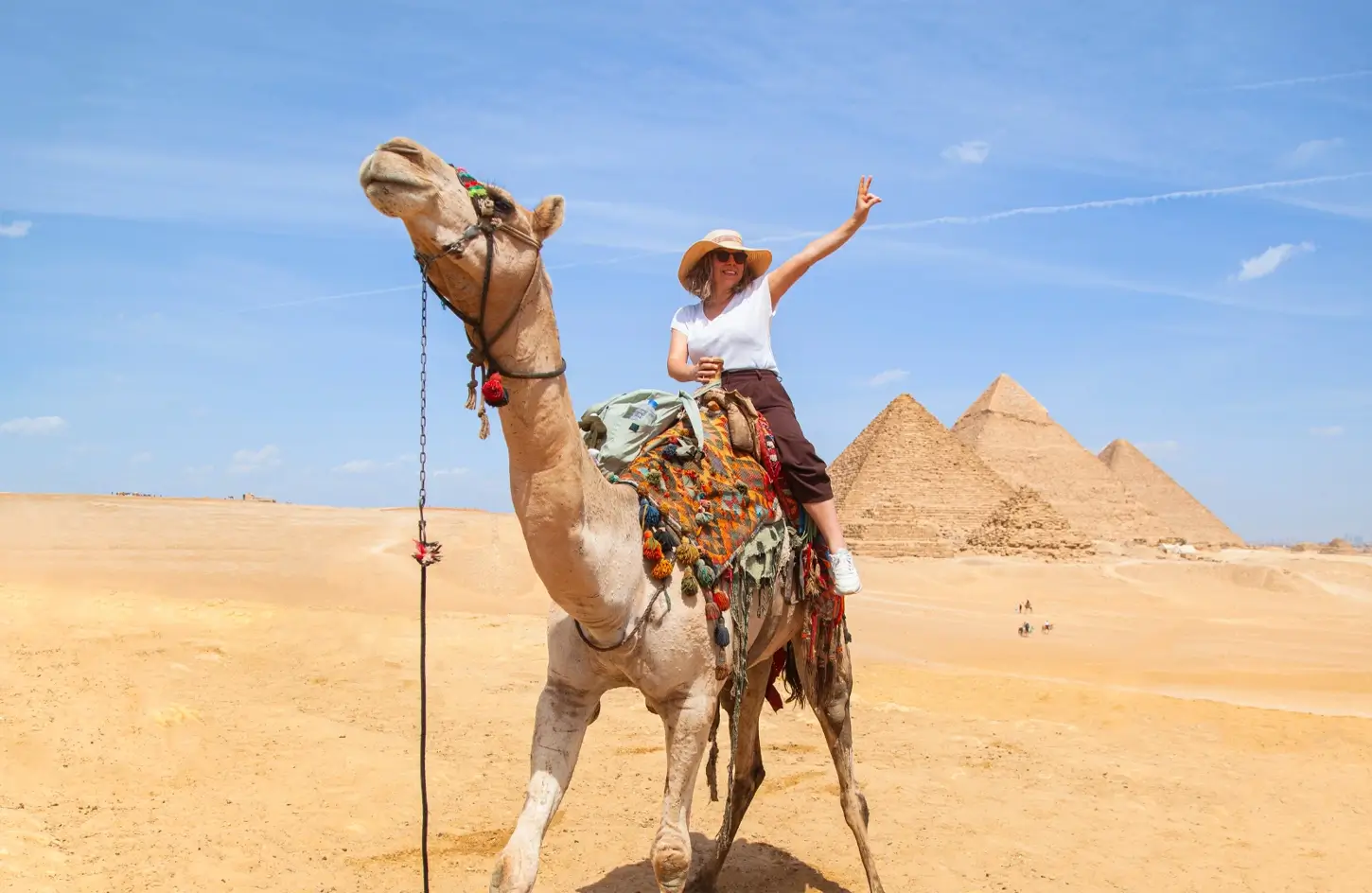
Comprehensive travel insurance with emergency medical cover and repatriation is essential for any trip to Egypt. If planning adventure activities — diving, desert safaris, horse or camel riding — confirm that your policy specifically covers them. Travel insurance is the single cheapest line in your entire Egypt travel budget. It is also the one most regretted when it is missing.
Step 6 — Book Domestic Transport
Domestic Flights — The Time Investment Decision
The main domestic routes are Cairo to Aswan (1 hour), Cairo to Luxor (1 hour), and Luxor to Cairo (1 hour). EgyptAir operates the most frequent service; Nile Air and Nesma Airlines offer competitive fares on some routes. Book 4–8 weeks ahead during peak season — Egyptian domestic flights sell out faster than most international visitors anticipate.
The Overnight Sleeper Train — For the Experience
The Watania Sleeping Trains run from Cairo to Luxor and Aswan overnight — arriving after ten or eleven hours with a private sleeper cabin, dinner included, for approximately $80–100 per person. It is not the fastest option. It is one of the most atmospheric journeys in Egypt: falling asleep as the train moves through the Delta, waking as the river narrows and the first palm trees appear in the window. Book 2–4 weeks ahead during peak season.
Getting Between Cities — What to Know
Uber works reliably in Cairo, Luxor, and Aswan — download it before you arrive and it becomes the simplest transport decision you make each day. For day trips and intercity transfers with stops, a private driver arranged through your guide or hotel is more flexible and often not significantly more expensive than a negotiated taxi. The local Nile ferries in Aswan and Luxor — small wooden motorboats that cross the river for a few Egyptian pounds — are among the most charming travel experiences in the country. Take them whenever you can.
→ → How to Get from Cairo to Luxor — all options compared
Step 7 — Book Accommodation in the Right Order
Here is the strategic insight most travel guides never give: book accommodation after you have confirmed your flights and cruise (if applicable), not before. Your hotel dates depend on your flight dates. Your cruise cabin dates shape your hotel dates. Get the big bookings confirmed first, then fill in the hotel slots around them.
Book in This Sequence
During peak season (October–April), accommodation in Cairo is abundant and can be booked 4–8 weeks in advance. Luxor fills faster during the Christmas and New Year period — book 2–3 months ahead for December travel. Aswan's premium hotels, particularly the legendary Old Cataract, book 4–6 months in advance for the peak season. Nile cruise cabins on better ships can sell out 4–6 months ahead for the Christmas and New Year window. These are the bookings to make first.
Where to Stay — The Guide's Area Picks
In Cairo, the Zamalek district on Gezira Island offers quiet, tree-lined streets, excellent restaurants, and short drives to both Downtown and Giza. Giza makes sense for anyone who wants their first view of the Pyramids to be from their hotel window — a sunrise seen from a terrace above the plateau is not a small thing.
In Luxor, East Bank is most convenient for first-time visitors (walking distance to Karnak and Luxor Temple). The West Bank is quieter, more atmospheric, and closer to the Valley of the Kings — excellent for anyone lingering beyond two nights.
In Aswan, the East Bank corniche offers Nile views and proximity to the bazaar. The Old Cataract Hotel — where Agatha Christie wrote Death on the Nile — is one of the great colonial-era hotels of the world. The terrace at sunset, with Elephantine Island and the first cataracts below, is worth every Egyptian pound.
→ → Where to Stay in Cairo — neighborhood guide
Step 8 — Plan Day by Day (Or Let Someone Do It for You)
Here is the single most important practical insight I can give you about actually being in Egypt — the insight that no guidebook puts prominently enough: mornings belong to the temples.
The light between 6 am and 10 am in Egypt is extraordinary — slanted, golden, full of long shadows that bring every carved relief into three-dimensional life. The temperature is manageable, sometimes even cool. The crowds are thin. Standing in the hypostyle hall at Karnak at 6:30am, when the shafts of early light fall between the columns and the place is yours alone, is one of the greatest travel experiences in the world.
The Three-Part Daily Structure
• 6:00–10:00 am — temples and ancient sites. This window is non-negotiable. Every major outdoor visit should be made here.
• 10:00 –3:00 pm — rest, travel, and lunch. Use this time for hotel rests, transfers, meals, and air conditioning. Midday heat and midday crowds make outdoor sightseeing uncomfortable.
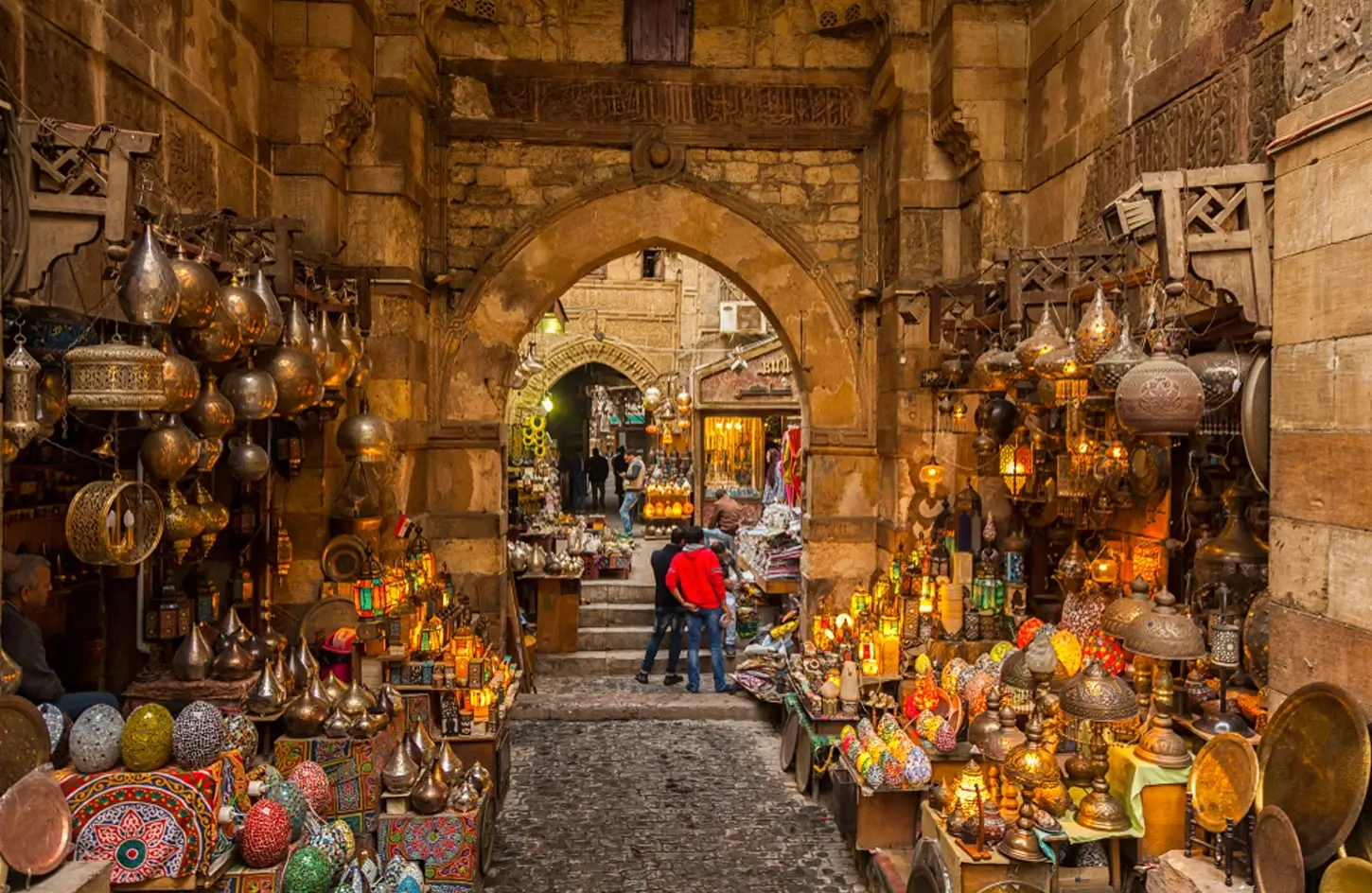
• 3:00–10:00 pm — atmosphere. Nile walks, bazaar browsing at Khan el-Khalili or Aswan's Sharia el-Souq, felucca rides at dusk, Sound and Light shows, dinner at a Nile-view restaurant.
Apply this structure every day, and you will see more, spend less time frustrated by crowds, and arrive home rested rather than exhausted.
Things to Pre-Book Within Your Itinerary
• Abu Simbel transport (road convoy or flight from Aswan) — arrange 1–2 weeks ahead through your guide or hotel
• Hot air balloon over Luxor — book 1–2 days ahead; have a backup morning in case of weather cancellation
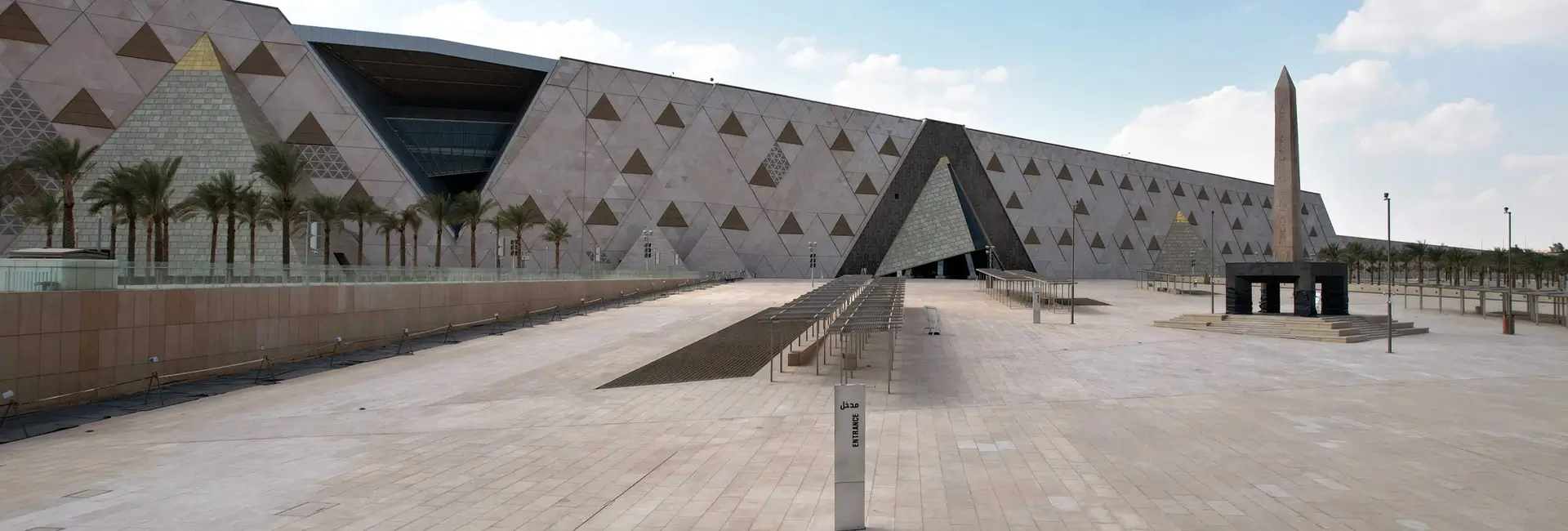
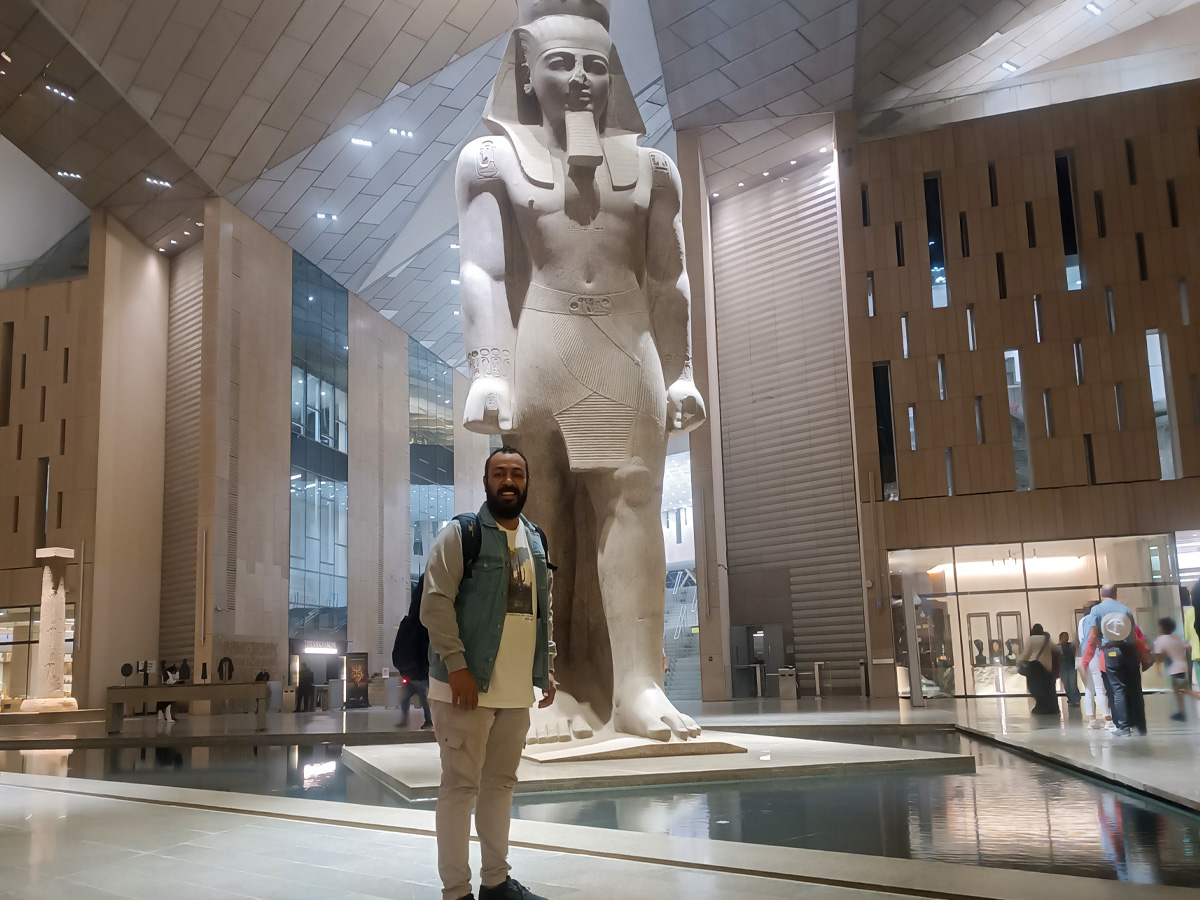
• Grand Egyptian Museum tickets — online booking strongly recommended in peak season; same-day tickets exist but queues are significant
• Nile cruise cabin — 2–4 months ahead for quality ships in peak season
→ → Egypt Itinerary 10 Days — day-by-day planning framework
→ → Grand Egyptian Museum Guide — what to see, how long to allow
Step 9 — Prepare for Arrival
Money and Currency
Egypt's currency is the Egyptian Pound (EGP). Exchange at banks or airport ATMs on arrival — rates are reasonable and ATMs are plentiful in all three cities. Bring a supply of small US dollar bills ($1, $5, $10) for tips, small entrance fees, and ad hoc purchases; USD is the informal second currency of the Egyptian tourism economy and is accepted almost everywhere tourists go. Credit cards are accepted at hotels and larger restaurants; almost everything else — bazaars, taxis, small cafés, temple ticket booths — requires cash.
Travel Style | Approx. Daily Spend | 10-Day Total (excl. flights) |
Budget | $50–80 USD/day | $1,200–1,800 |
Mid-range | $100–180 USD/day | $2,500–4,000 |
Luxury | $250–500+ USD/day | $6,000–12,000+ |
→ → Egypt Travel Budget — full day-by-day breakdown
Health and Vaccinations
No mandatory vaccinations are currently required for most nationalities visiting Egypt (all COVID-19 entry requirements were fully lifted in 2023). Hepatitis A and Typhoid are recommended — consult your doctor 4–6 weeks before travel. Drink only bottled water throughout your trip. Egypt's pharmacies are excellent — well-stocked, English-speaking, and dispensing most basics without a prescription.
Pack Smart
The items that matter most: lightweight linen or cotton clothing (temples are hot; mosques require covered shoulders and knees), a versatile scarf for sun protection and modesty, comfortable closed-toe shoes for uneven temple floors, sunscreen SPF 50 applied generously, and a small day backpack that keeps your hands free.
→ → Complete Egypt Packing List
→ → Egypt Travel Tips: 30 Things Every First-Timer Must Know
Apps to Download Before You Board
• Uber — reliable in Cairo, Luxor, and Aswan
• Google Maps — download Egypt offline before departure
• Google Translate — Arabic camera mode for menus and signs
• WhatsApp — how your guide, hotel, and driver will communicate with you
💡 The 48-Hour Pre-Arrival Rule — Since Egypt moved to a digital immigration system in February 2026, all travelers must complete their online arrival declaration at least 48 hours before their flight. The system generates a QR code shown at immigration instead of the old paper card. It takes five minutes. Add it to your checklist two days before departure — before you forget. |
Step 10 — The Master Booking Timeline
This is the most useful table in this guide. Screenshot it. Build it into your calendar. Every planning decision you need to make is here, in the sequence it should happen.
When | What to Do | Why |
6 months before | Book international flights | Best fares; open-jaw Cairo in / Luxor out |
4–6 months before | Book Nile cruise (if applicable) | Premium cabins sell out fast in peak season |
3–4 months before | Book Cairo and Aswan accommodation | Christmas/New Year, Aswan is particularly tight |
2–3 months before | Apply for e-Visa | Ensures it arrives with plenty of lead time |
2–3 months before | Book domestic Egypt flights | EgyptAir's popular routes fill up |
2–3 months before | Book Luxor accommodation and guided tours | Valley of the Kings, Karnak, early access tours |
6–8 weeks before | Confirm all bookings; buy travel insurance | Full picture established; insurance is most useful |
2–3 weeks before | Arrange Abu Simbel (convoy or flight) | Convoy security requirements need advance notice |
1–2 weeks before | Book a hot air balloon over Luxor | Operator confirmation; flexibility for weather |
48 hours before | Complete the Egypt digital immigration card | Required for QR-code entry processing |
Day before | Print e-Visa; prep USD cash; charge phone | Smooth arrival at Cairo airport |
Follow this sequence, and you will arrive in Egypt with every major decision made, every critical booking confirmed, and nothing on your mind except the view from the plane as it descends over the Delta and the Nile appears below you — silver and unhurried, exactly as it has appeared to every traveller who has come to Egypt for four thousand years.
You're Ready — Now Let Us Help
These ten steps have covered every major decision that stands between you and the trip of your life. The big decisions are made. The order is set. The planning horizon is clear.
The most important single upgrade you can make to any Egypt trip is to travel with a private local Egyptologist guide — someone who was born here, who has spent their career standing beside these stories, and who can decode the hieroglyphics, navigate the logistics, and make Egypt not just impressive but genuinely understood.
Everything else — flights, hotels, cruises, Abu Simbel at sunrise, felucca rides at dusk — falls into place once these ten steps are completed. Egypt has been waiting for you for four thousand years. A few more months of careful planning will make the reunion everything it deserves to be.
Already have your dates? Share them with our local team, and we'll build your complete Egypt plan within 24 hours. |
Frequently Asked Questions
How much does a trip to Egypt cost?
A 10-day Egypt trip costs approximately $1,200–1,800 per person at budget level, $2,500–4,000 mid-range, or $6,000–12,000+ luxury — all figures excluding international flights. Major cost categories include domestic flights ($150–$ 300), accommodation ($30–$ 500+ per night), entrance fees ($200+ over a 10-day trip), guided tours ($80–$ 350 per day), and transport to Abu Simbel ($80–$ 150).
Is Egypt good for first-time travelers?
Yes — Egypt is among the world's most rewarding first-time destinations for those who plan ahead. Tourist infrastructure is well developed across all Golden Triangle cities, English is widely spoken at sites and hotels, and Egyptian hospitality makes first-time visitors feel genuinely welcome. The primary challenge for independent travelers is the logistics of travel between cities and the absence of on-site interpretation at ancient sites — both of which a private local guide can resolve entirely.
How far in advance should I book a trip to Egypt?
For peak-season travel (October–April), book international flights 3–6 months in advance. Premium Nile cruise cabins during Christmas and New Year should be secured 4–6 months before departure. Shoulder-season travelers can generally manage with 6–8 weeks of lead time for most bookings. The e-Visa takes 3–7 working days; apply 2–3 months before travel for full peace of mind.
Should I join a group tour or travel independently to Egypt?
Both are genuinely viable. Most first-time visitors benefit significantly from at least a private Egyptologist guide in Cairo and Luxor — the sites have almost no on-site interpretation, and a guide transforms what you see into what you understand. Group tours offer a more affordable experience with good social value for solo travelers. Fully independent travel is possible for experienced international travelers comfortable with navigating unfamiliar logistics.
What is the Golden Triangle in Egypt?
The Golden Triangle refers to Egypt's three core first-trip cities — Cairo, Luxor, and Aswan — connected by the Nile and domestic flights. Cairo covers the Pharaonic and Islamic eras (the Pyramids, the Grand Egyptian Museum, Khan el-Khalili). Luxor covers the New Kingdom (Valley of the Kings, Karnak, Hatshepsut's temple). Aswan covers Upper Egypt and the Nubian experience (Philae Temple, Abu Simbel, felucca sailing). Together, they form the complete first-trip framework and can be covered comfortably in 10 days.
Do I need a Nile cruise as part of my trip to Egypt?
No — a Nile cruise is an excellent but optional enhancement, not a requirement. The cruise typically covers the Aswan-to-Luxor leg (4–5 nights), with stops at the temples of Kom Ombo and Edfu along the route. The same sites can be covered by an overland private car with more flexibility and lower cost. A Nile cruise adds romance, comfort, and the experience of sleeping on the river — it is the preferred choice for couples, honeymooners, and anyone who values a slower, more contemplative pace.